modelling

  • AccuFlow: Drug-delivery platform

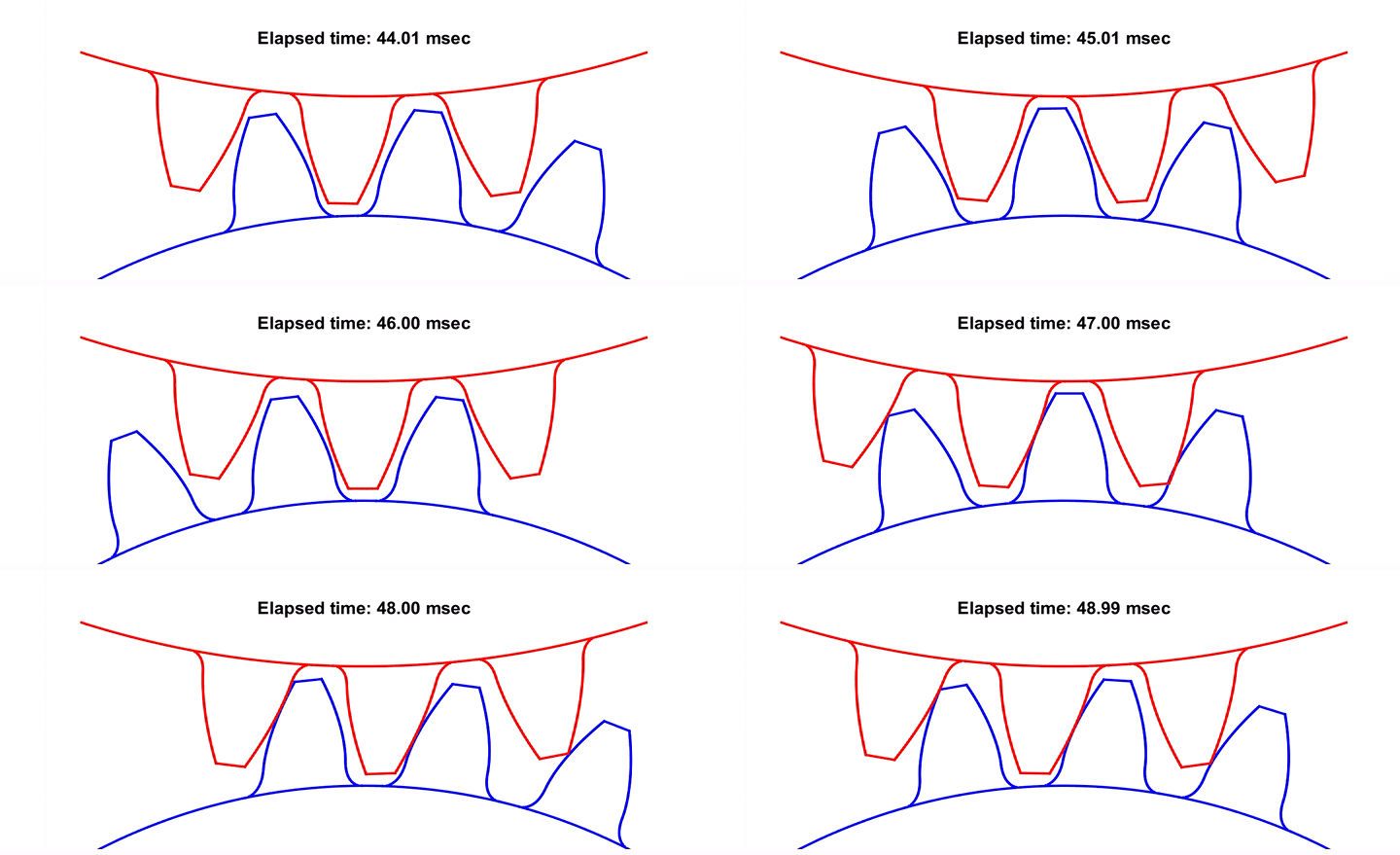
    AccuFlow developed an innovative technology platform for drug-delivery devices intended for combined use with specialized pharmaceuticals. Within the project, MD-Lab focused on the mechanical pump subsystem: selecting suitable motion mechanisms, designing compact transmission stages, optimizing gear geometry and validating the resulting concepts through simulation and experimental rigs.
  • LESS Mechanism

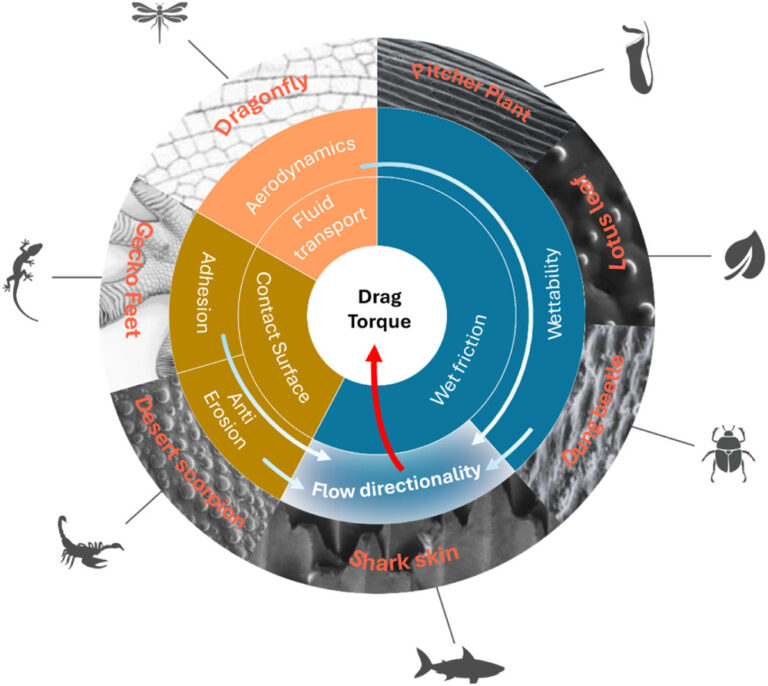
    The LESS project examined a patented power-transmission mechanism proposed as an alternative to conventional crank-rod systems in reciprocating machines. The mechanism converts rotary to reciprocating motion and vice versa, with potential use in internal-combustion engines, pumps, compressors, and expanders. MD-Lab contributed by building the numerical modelling chain required to study contact, friction, and lubrication behavior.

  • Loss Factor Characterization

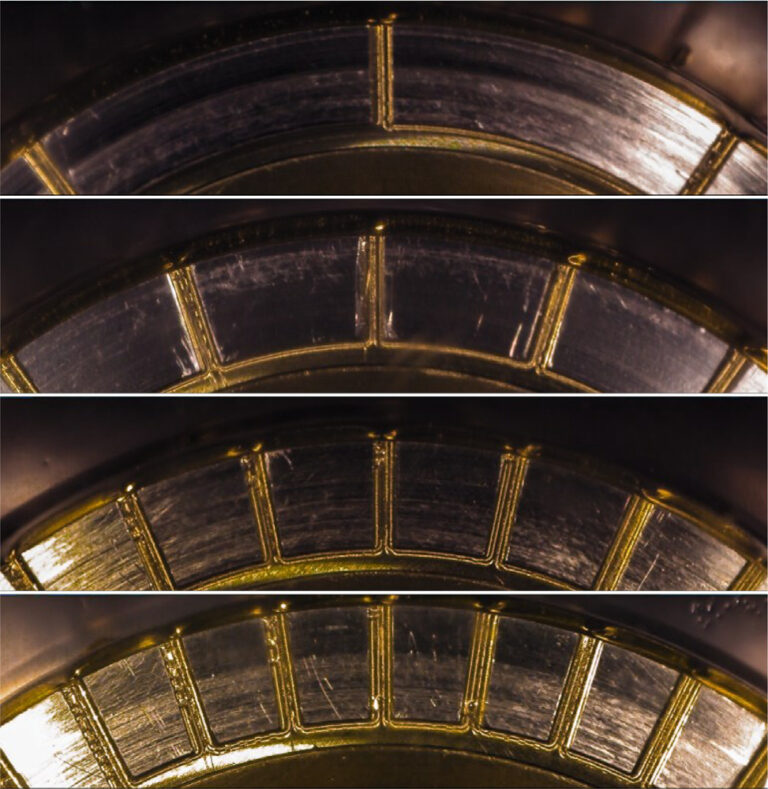
    A controlled experimental characterization project for ELVAL COLOUR S.A., focused on the damping behavior of composite aluminium plates. MD-Lab developed the mechanical test setup, manufactured a dedicated auxiliary aluminium plate and fixture system, and carried out vibration measurements according to DIN EN ISO 6721-1 and -3. Detailed numerical results and material comparisons are omitted from this public summary due to confidentiality.

  • Gearless Differential

    The Gearless Differential project investigates a cam-track differential architecture that replaces conventional side and spider gears with identical wavy cam-track disks, guided rolling members and a geared retainer. The work formalizes the geometry required for rolling contact, verifies the kinematics through simulation, and evaluates a representative passenger-car configuration using contact stress and fatigue-life assessment.

  • Plastic Gears

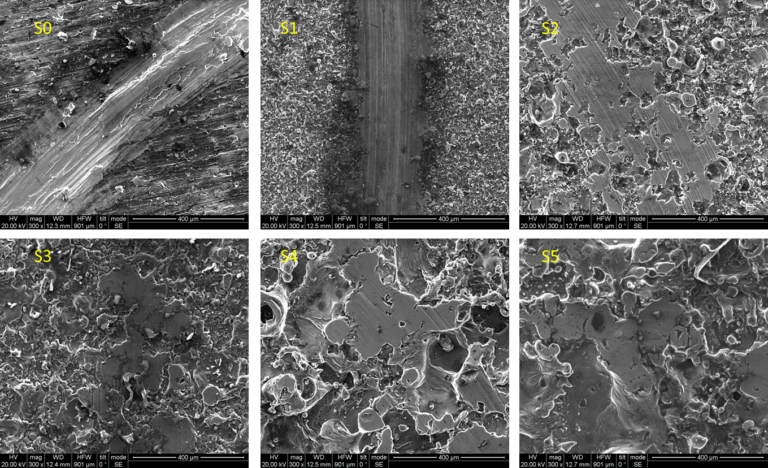
    Research on plastic gear transmissions at MD-Lab combines material-model development, finite-element and neural-network surrogate modelling, dynamic/NVH simulation, and additive manufacturing technologies. Key results include neural-network surrogates that reproduce finite-element static transmission error curves for polymer gears with 0.49% MAPE, dynamic simulations showing reduced vibration levels compared with metallic gearsets, and additive-manufacturing studies that quantify FDM and other 3D-printing accuracy limits while investigating wear resistance and wear patterns in printed gears.

  • Magnetic Gears

    MD-Lab research on coaxial magnetic gears develops fast analytical and hybrid electromagnetic models for torque prediction, topology evaluation, nonlinear dynamic response and eddy-current loss estimation. The work supports the design of contactless transmissions with reduced wear, low noise, inherent overload protection and computationally efficient early-stage optimization.

  • External Heat Engines Modelling

    MD-Lab research on external heat engines develops design-oriented thermodynamic models for Stirling and Ericsson machines. The work focuses on transient heat transfer, real-cycle losses, valve timing and experimentally grounded performance prediction for engines that can use external heat sources such as waste heat, solar thermal energy, biomass and combustion outside the working volume.

  • Fluid-Borne Noise Attenuation

    MD-Lab research on fluid-borne noise examines compact passive attenuation of pressure pulsations in hydraulic and pipe systems. The work extends the classical Herschel-Quincke interference silencer by introducing modulated branch properties, creating a tunable route to additional and broader transmission-loss bands without relying on impractically long side branches.

  • Active Wave Journal Bearing

    MD Lab research on active bearings investigates a hydraulically actuated monolithic journal bearing that can change its inner geometry during operation. The concept uses controlled pocket pressure to transform a nominally cylindrical bearing surface into a three-wave profile, enabling real-time adjustment of lubricant-film stiffness, damping and vibration transmission in rotating machinery.