Power Transmissions

  • Gear Optimization

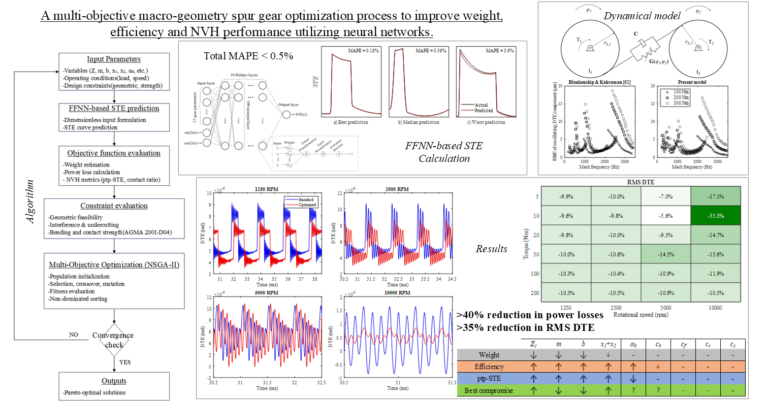
    Multi-objective optimization of gear tooth profiles to improve weight, efficiency, dynamic behavior, and wear performance, focusing on both involute macro-geometry and free-form non-involute profiles. Key results include more than 40% reduction in power losses and 35% reduction in vibration RMS for optimized involute gears. For free-form gears, reductions of up to 55% in average wear depth and 70% in maximum wear depth have been achieved.
  • Gear Dynamics

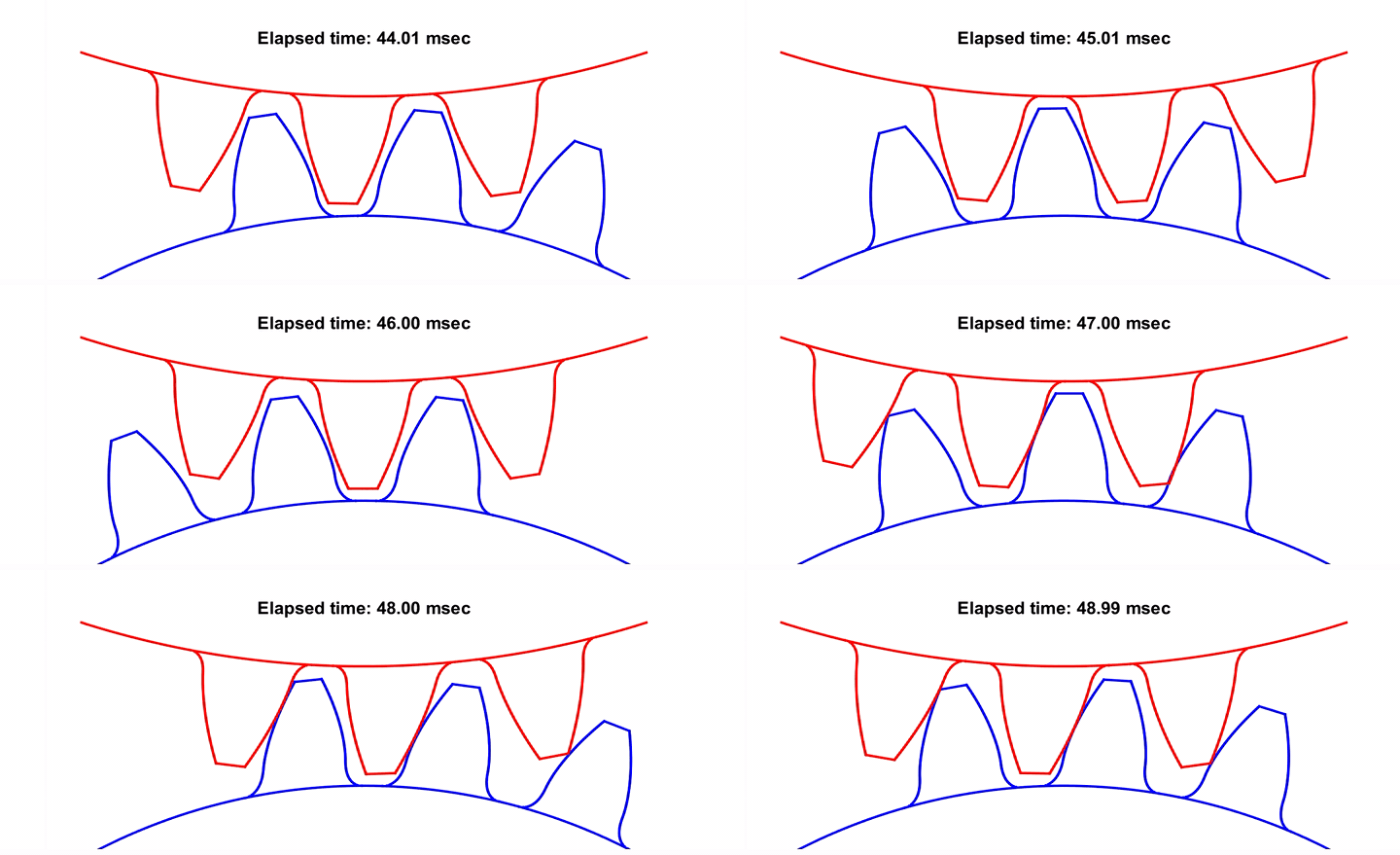
    MD-Lab research on gear dynamics develops reduced-order, nonlinear and optimization-ready simulation models for spur gear transmissions. The work connects static and dynamic transmission error, load-dependent mesh stiffness, intermittent contact, tooth eigenvibrations, macro-geometry optimization and high-pressure-angle gear design.

  • Plastic Gears

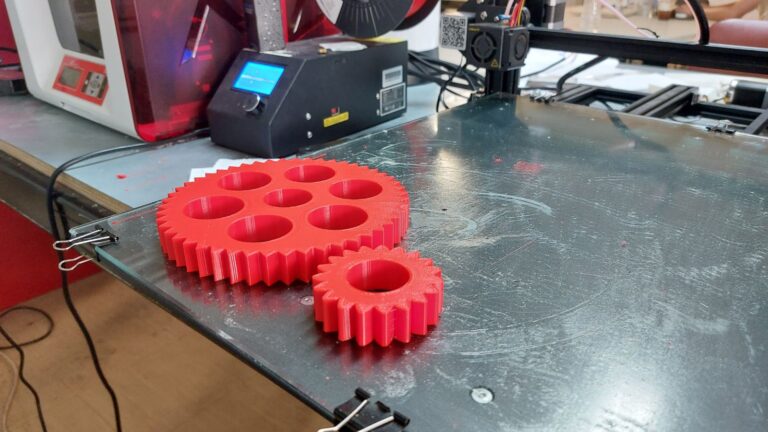
    Research on plastic gear transmissions at MD-Lab combines material-model development, finite-element and neural-network surrogate modelling, dynamic/NVH simulation, and additive manufacturing technologies. Key results include neural-network surrogates that reproduce finite-element static transmission error curves for polymer gears with 0.49% MAPE, dynamic simulations showing reduced vibration levels compared with metallic gearsets, and additive-manufacturing studies that quantify FDM and other 3D-printing accuracy limits while investigating wear resistance and wear patterns in printed gears.

  • Magnetic Gears

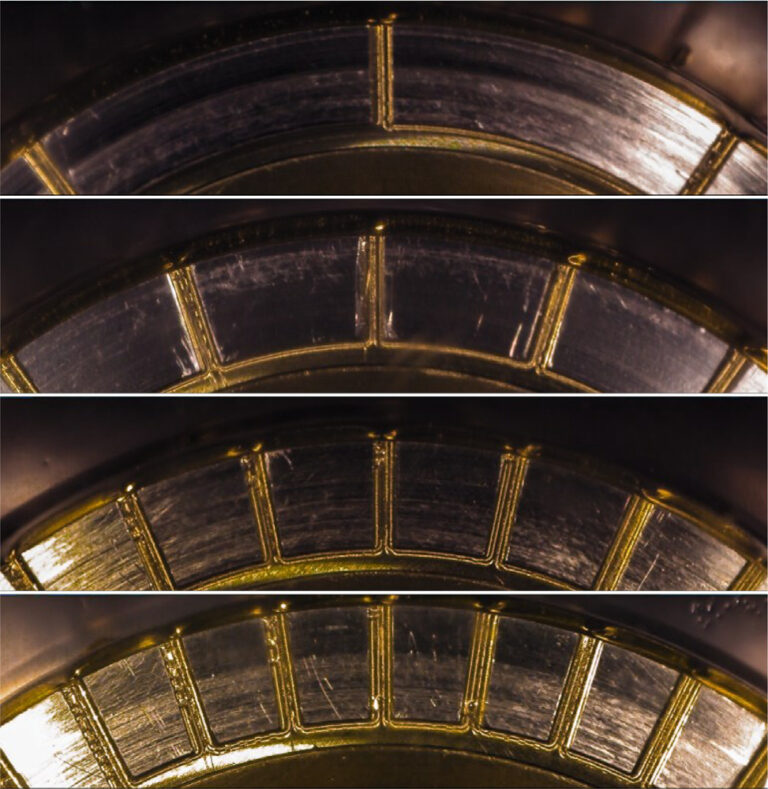
    MD-Lab research on coaxial magnetic gears develops fast analytical and hybrid electromagnetic models for torque prediction, topology evaluation, nonlinear dynamic response and eddy-current loss estimation. The work supports the design of contactless transmissions with reduced wear, low noise, inherent overload protection and computationally efficient early-stage optimization.

  • Active Wave Journal Bearing

    MD Lab research on active bearings investigates a hydraulically actuated monolithic journal bearing that can change its inner geometry during operation. The concept uses controlled pocket pressure to transform a nominally cylindrical bearing surface into a three-wave profile, enabling real-time adjustment of lubricant-film stiffness, damping and vibration transmission in rotating machinery.