AccuFlow: Drug-delivery platform
AccuFlow

DEVELOPMENT OF AN INNOVATIVE DRUG DELIVERY DEVICE TECHNOLOGY PLATFORM FOR SPECIALISED DRUG-DEVICE COMBINATION
AccuFlow developed an innovative technology platform for drug-delivery devices intended for combined use with specialized pharmaceuticals. Within the project, MD-Lab focused on the mechanical pump subsystem: selecting suitable motion mechanisms, designing compact transmission stages, optimizing gear geometry and validating the resulting concepts through simulation and experimental rigs.
Scope
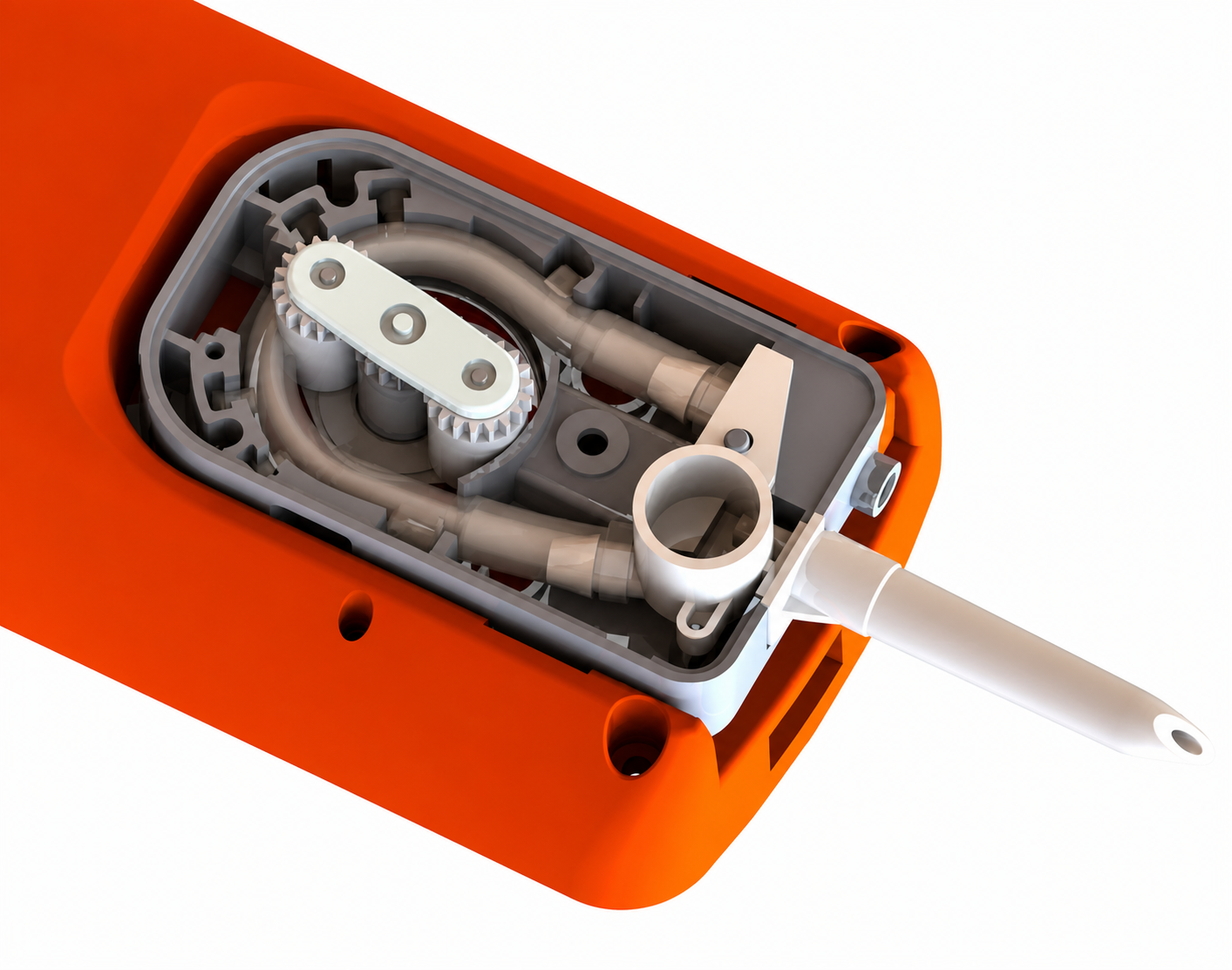
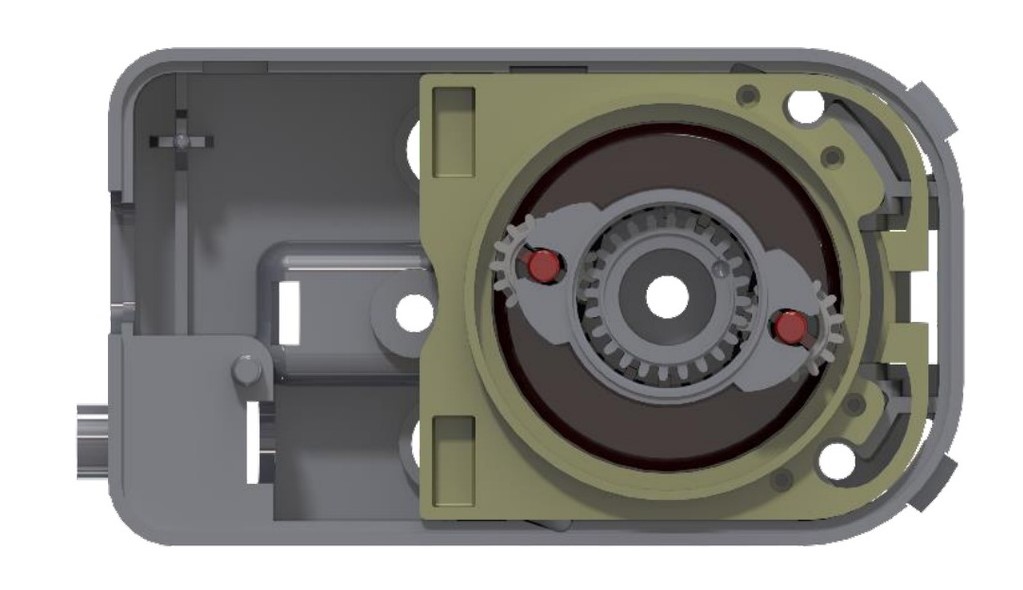
AccuFlow addressed the development of an innovative technology platform for drug-administration devices used with specialized pharmaceutical products. The mechanical subsystem had to convert motor motion into very slow, controlled roller motion, while keeping the device compact, energy-efficient, quiet, reliable and suitable for manufacturing at small scale.
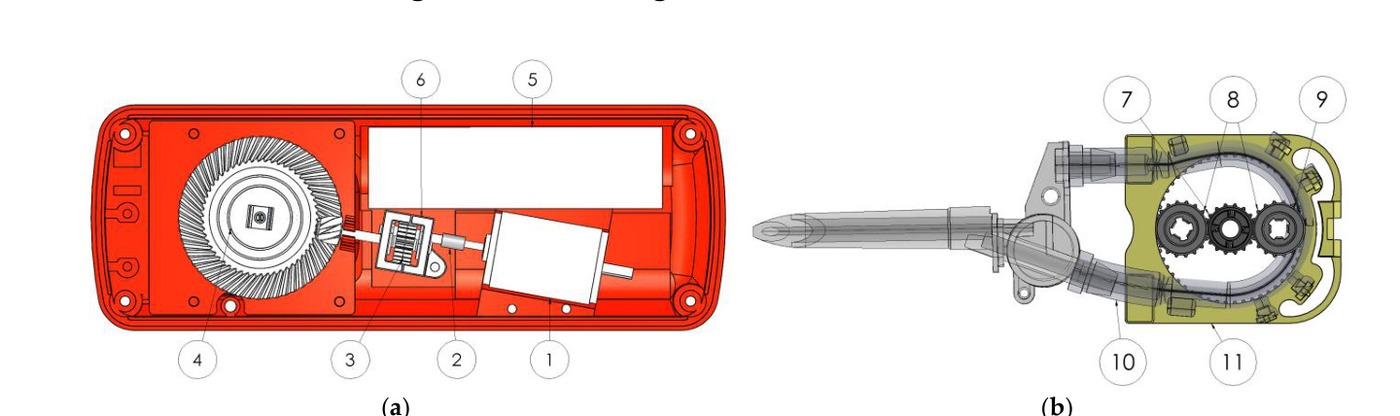
MD-Lab focused on the drive system of the rotary peristaltic pump: the fixed transmission, the interface with the disposable pumping section, the gear geometry and the structural behavior of the tube-roller mechanism. The work required a combined machine-design approach, because dosing stability depends both on accurate mechanical transmission and on the way the rollers deform and release the elastic tube.
- Evaluation of alternative mechanical drive mechanisms for high reduction ratios.
- CAD design of compact transmission layouts, housings, shafts, supports and interfaces.
- Simulation of efficiency, stresses, transmission error, noise indicators and service life.
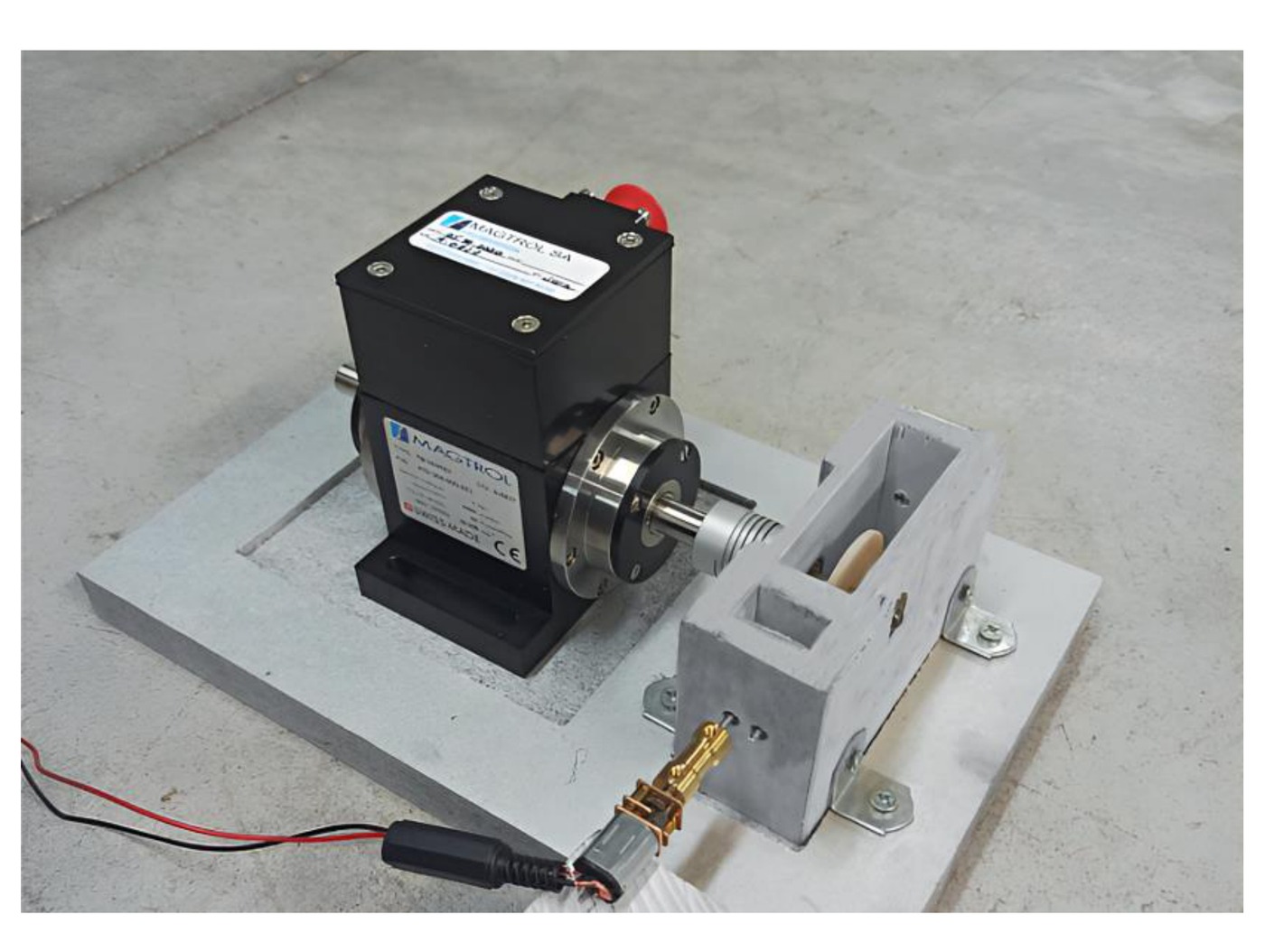
- Experimental confirmation of selected transmission and gear-tooth concepts.
Project Pathway
The AccuFlow work progressed from mechanism screening to detailed device-level design and experimental confirmation. This staged approach connects concept selection, mechanical optimization and pump-behavior analysis into a clear engineering route.
Start of the NSRF-funded project and definition of the drug-delivery platform requirements.
Selection, design and experimental confirmation of compact gear forms, including operation under misalignment.
Completion of the motion-transmission design and optimization work for the pump mechanism.
MD-Lab’s Contribution
Mechanism selection and machine design
MD-Lab examined alternative motion and pumping mechanisms with emphasis on rotary peristaltic architectures and positive-displacement operation. The work considered operating principles, expected advantages and practical limitations, including flow pulsation, tube interaction, power consumption, acoustic behavior and manufacturability.
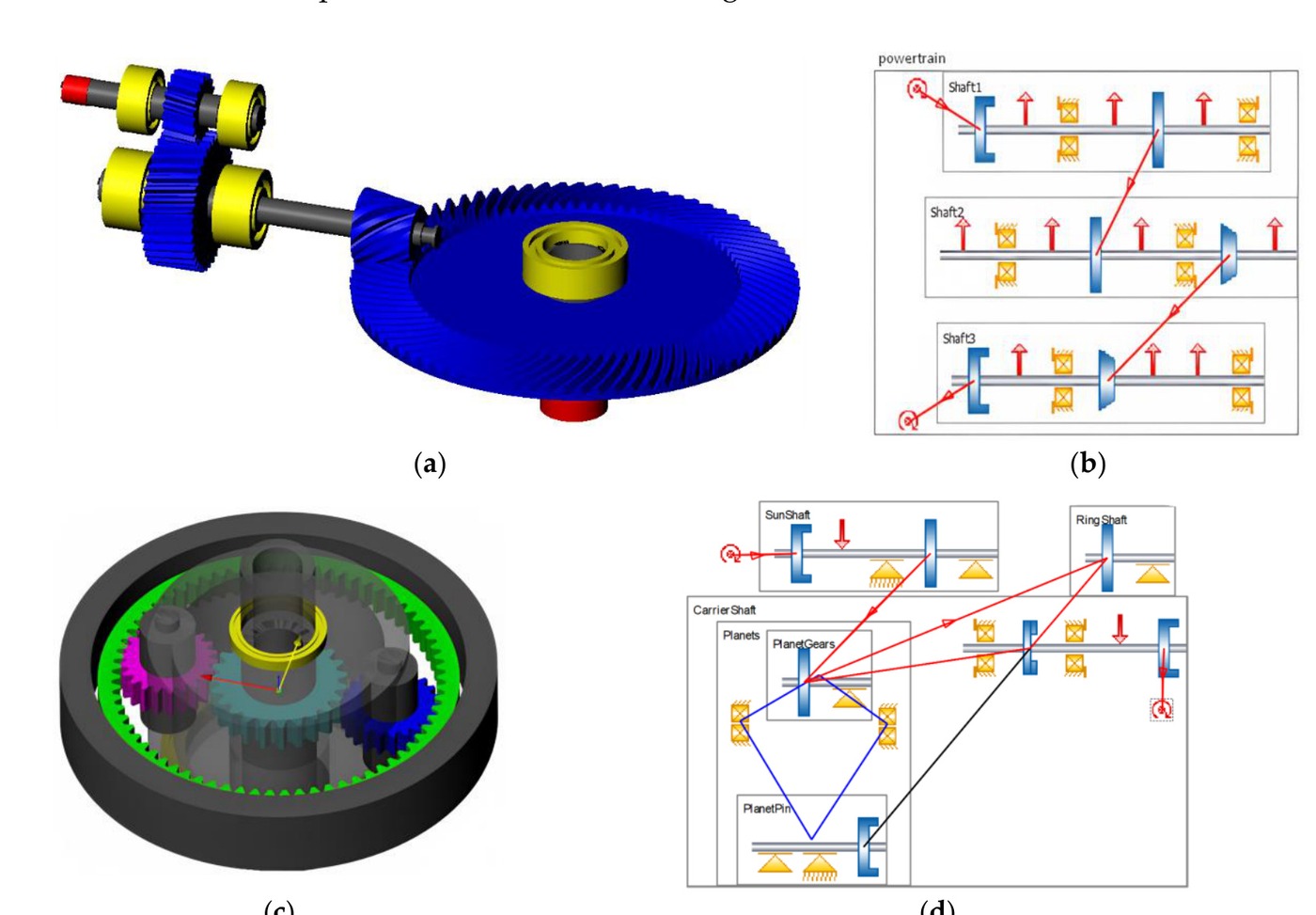
The lab developed compact transmission layouts, housings, shaft arrangements, supports, bearing selections, couplings and interfaces between the fixed drive subsystem and the disposable pumping section. These decisions were treated as coupled constraints, because packaging, tolerances and structural support directly affect dosing stability.
Gear geometry and tolerance-aware design
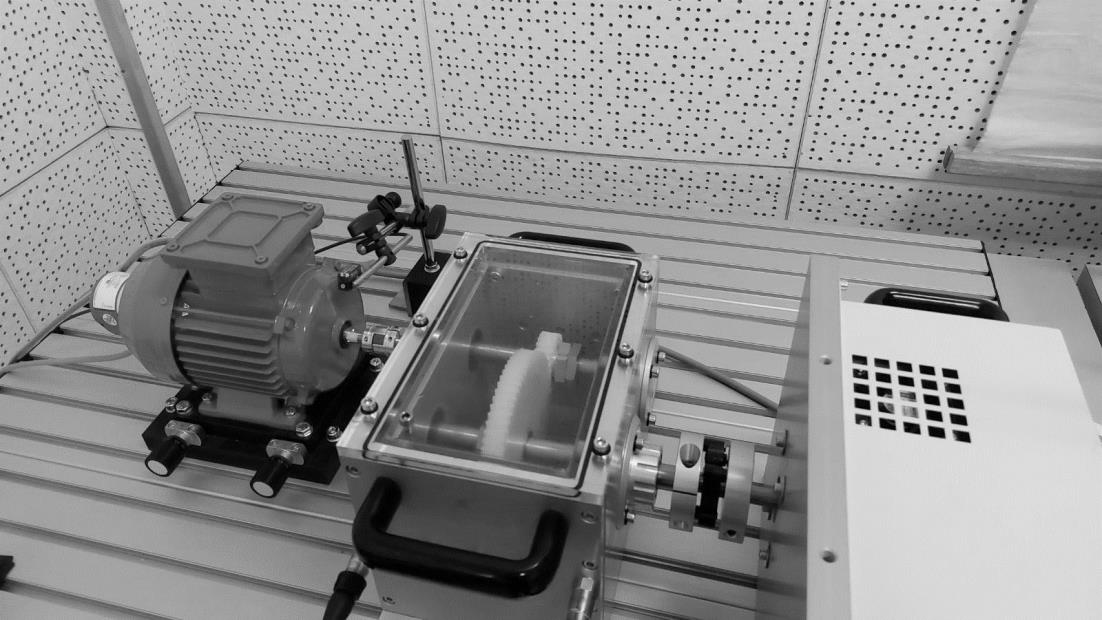
MD-Lab studied tooth profiles and cooperating gear sections for plastic micro-gears operating under realistic assembly errors. The work included misalignment and eccentricity scenarios, tooth crowning, modified profile generation and comparison of candidate geometries for efficiency, local stress and smooth engagement.
Finite-element contact analyses and specialized transmission calculations connected the geometry choices with deformation, contact behavior, transmission error and reliability indicators. This gave the project a structured basis for selecting gear solutions suited to the small scale of the pump mechanism.
Pump-level flow behavior
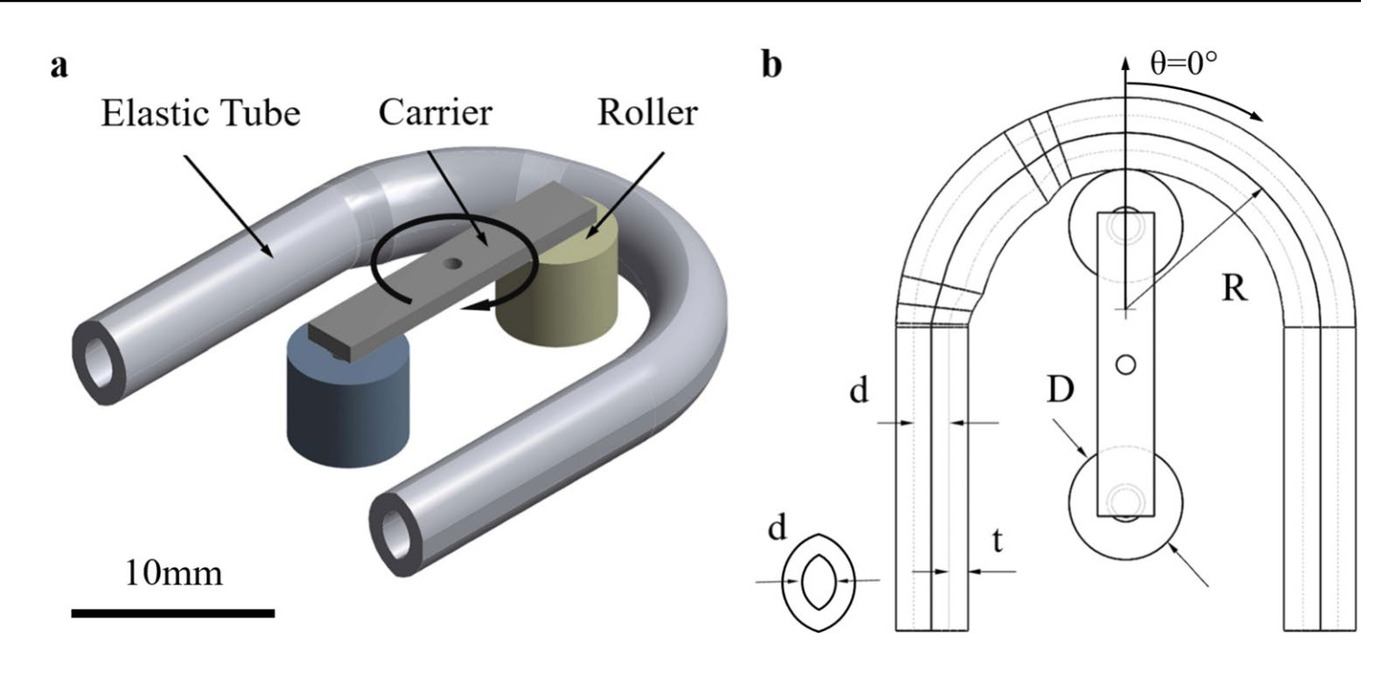
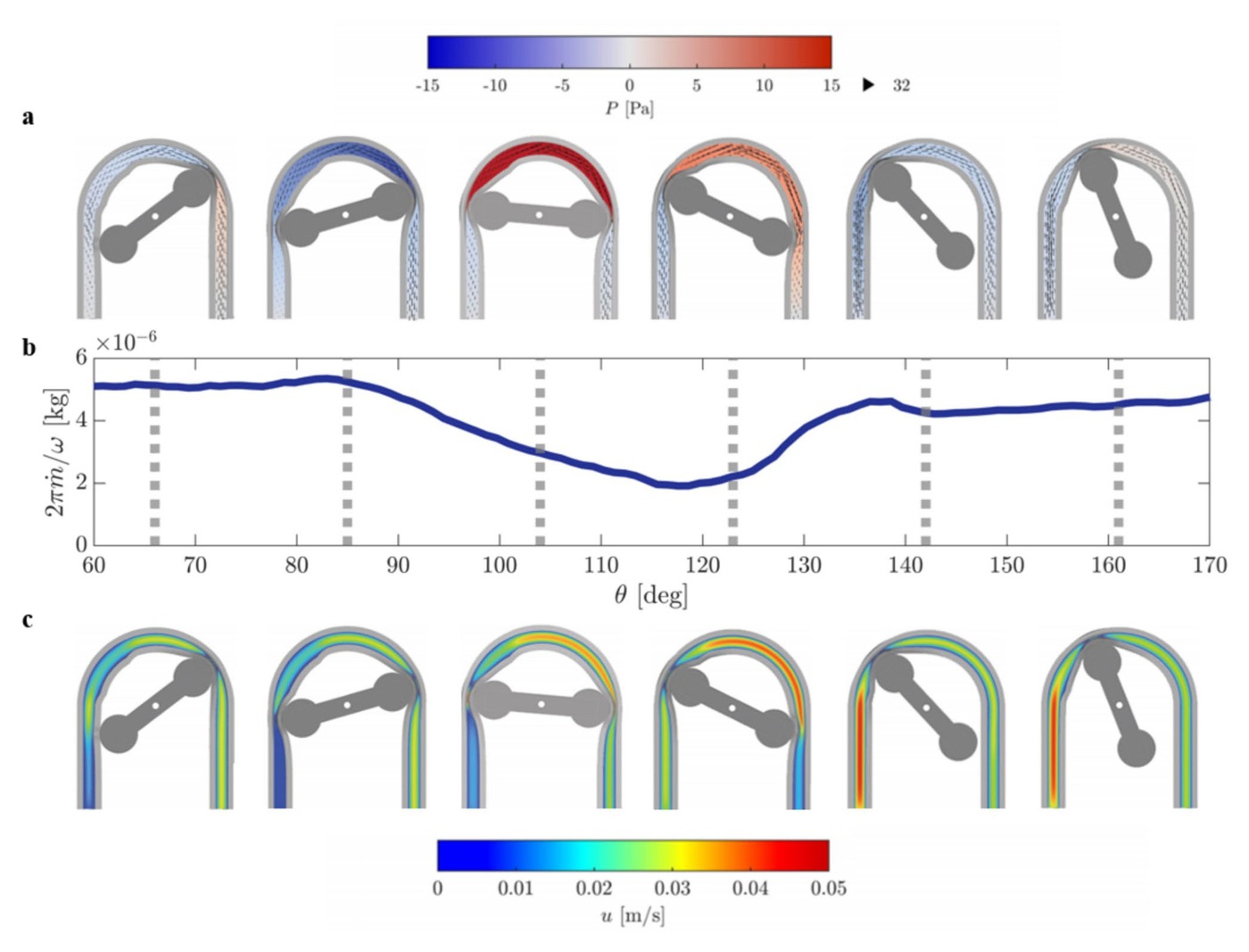
The mechanical design work was connected with the behavior of the roller-pump interface. MD-Lab and project collaborators investigated how roller diameter, tube geometry, wall stiffness, outlet support and disengagement timing affect the pulsating character of the delivered flow.
Three-dimensional fluid-structure interaction models and reduced-order volumetric calculations were used to connect tube deformation with pressure and velocity fields. This gave the design team a clearer route for reducing pulsation, avoiding backflow-sensitive states and improving the stability of low-flow drug delivery.
Impact
AccuFlow strengthened the mechanical-design basis for compact drug-delivery devices by connecting early concept selection with detailed transmission design, gear optimization, prototype validation and pump-level flow analysis. The work supported a platform where reliable actuation, dosing repeatability, compact packaging and practical manufacturability must all be treated as coupled engineering requirements.
The contribution is mechanical and enabling: it gives the device-development effort a stronger foundation for moving from promising pump principles to an integrated, testable mechanical subsystem for controlled pharmaceutical fluid delivery.