

WETSURF: nature-inspired SURFACES
WETSURF
From micro to macro scale: nature-inspired hierarchical surfaces for wet tribology
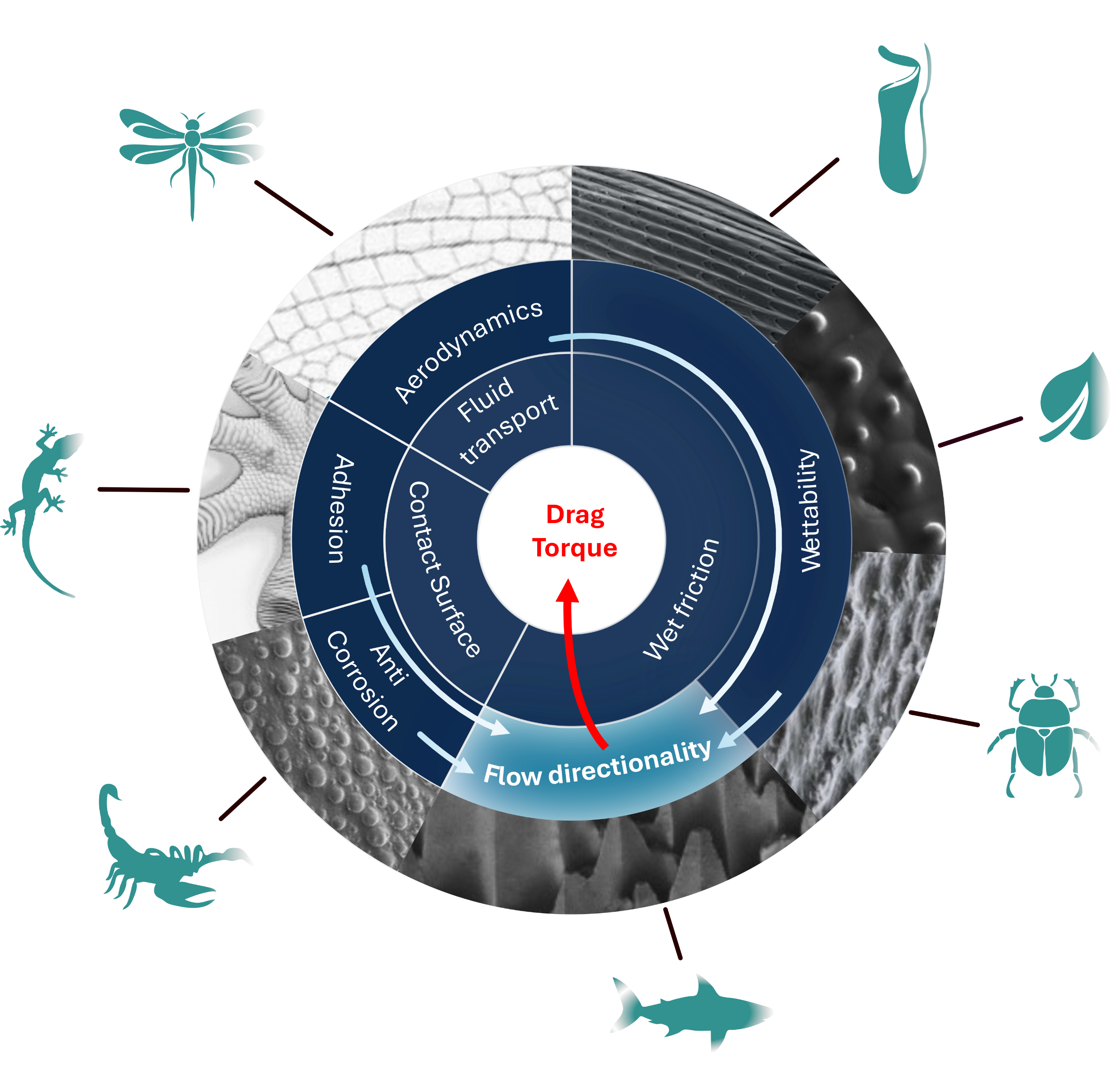
WETSURF examined how engineered metallic surfaces can steer drag, wetting, friction and wear under lubricated contact. At MD-Lab, the work linked bio-inspired macro-texture design, controlled EDM roughness, air-plasma cleaning, boehmitization, wet tribotesting and thin-film flow simulations into one surface-engineering workflow for functional tribological interfaces.
Scope
Rather than studying friction and wear only through material selection, WETSURF approached wet tribology as a surface-design problem. The project combined macro-scale features of roughly 0.1 mm with micro-scale roughness of roughly 1-10 µm inside one hierarchical metallic surface, aiming to improve lubricant retention, influence flow directionality and tune wet-contact response.
Seven nature-derived pattern families were screened and parametrized, leading to a broad candidate set that could be compared through both experiments and simulations. The goal was not a single texture recipe, but a systematic framework for understanding how topography, wetting and flow interact when the working medium is water or oil.
- Bio-inspired design and parametrization of candidate surface textures.
- EDM-based manufacturing of macro- and micro-structured metallic samples.
- Wettability control through cleaning, plasma treatment and boehmitization.
- Wet tribological and thin-film-flow evaluation through testing and simulation.
Engineering Workflow
WETSURF moved from inspiration to validation through a layered workflow that kept the geometry, the surface state and the fluid response connected. That structure made it possible to compare candidate textures as design systems rather than isolated pictures or single roughness numbers.
Bioinspiration
Natural motifs were filtered for their potential to steer wettability and directional flow rather than for appearance alone.
Surface Engineering
EDM parameter control, solvent cleaning, air plasma and boehmitization were used to tune roughness and surface state.
Wet Testing
Pin-on-disc tribology, wetting observations and speed-load studies connected texture state with friction and wear.
Flow Modelling
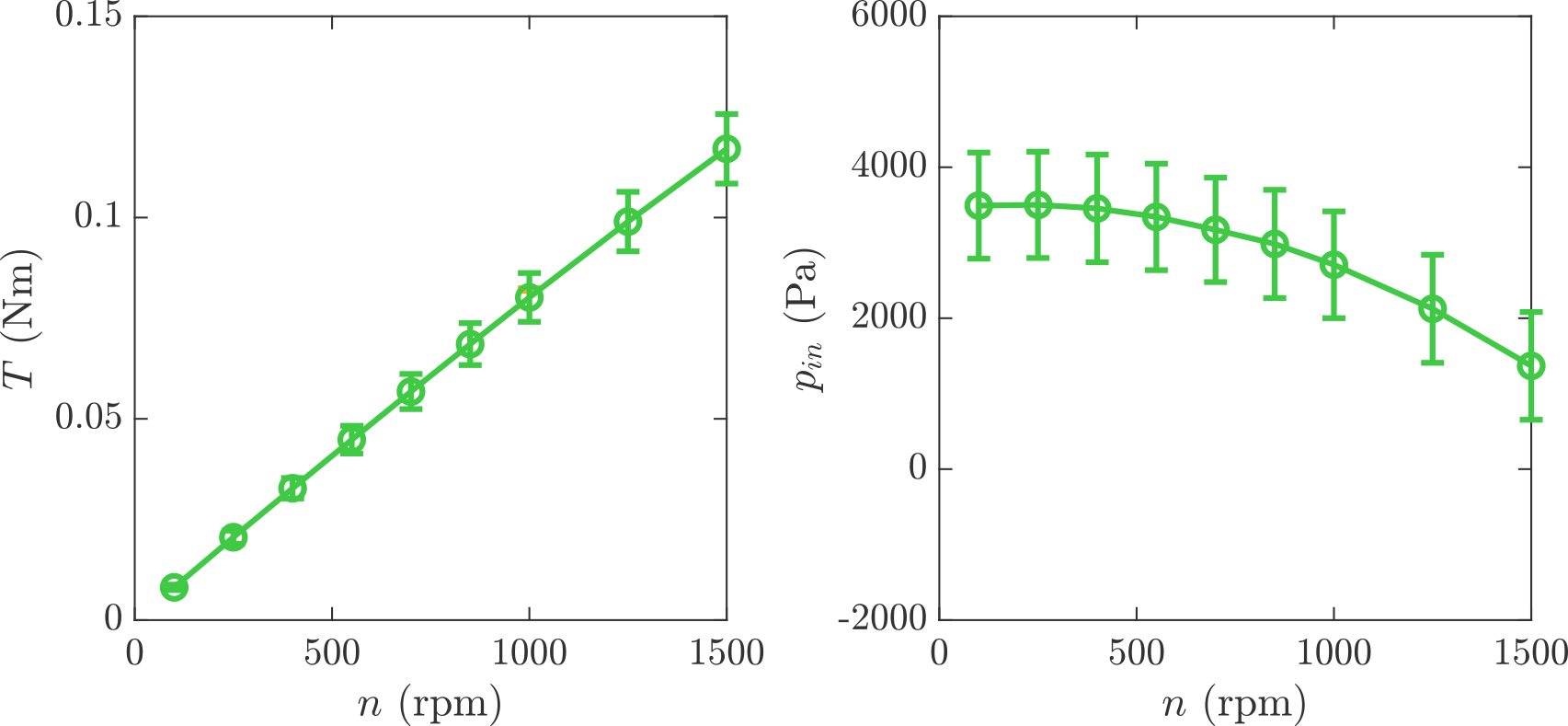
Thin-film simulations and drag-torque / inlet-pressure measurements helped screen the most promising textures.
Surface Design and Manufacturing
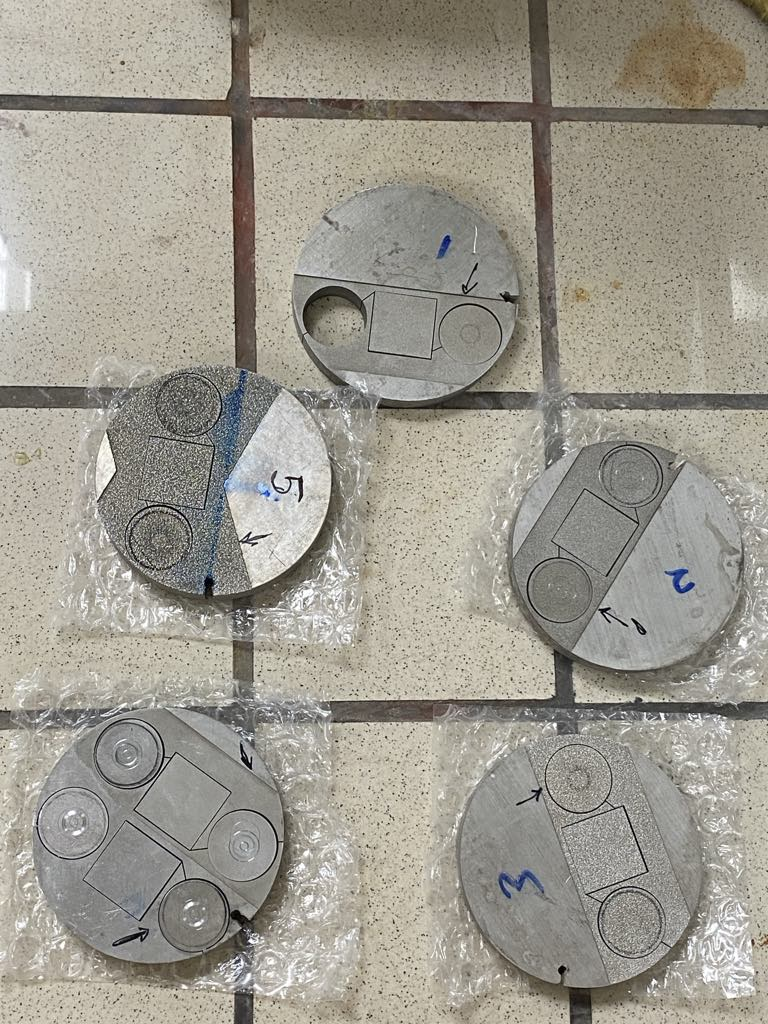
The project began with bio-inspired macro-texture concepts that could still be manufactured on metallic specimens and studied systematically. Parametrization allowed the team to adjust spacing, orientation and relative proportions, turning each texture family into a comparable design space instead of a single geometry.
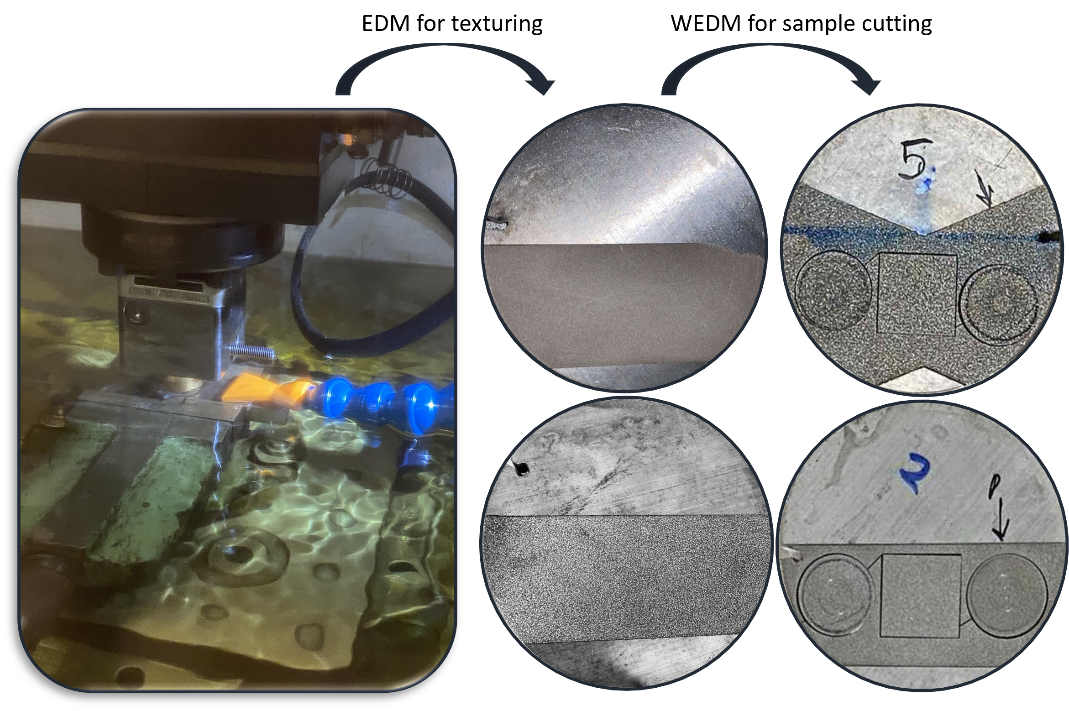
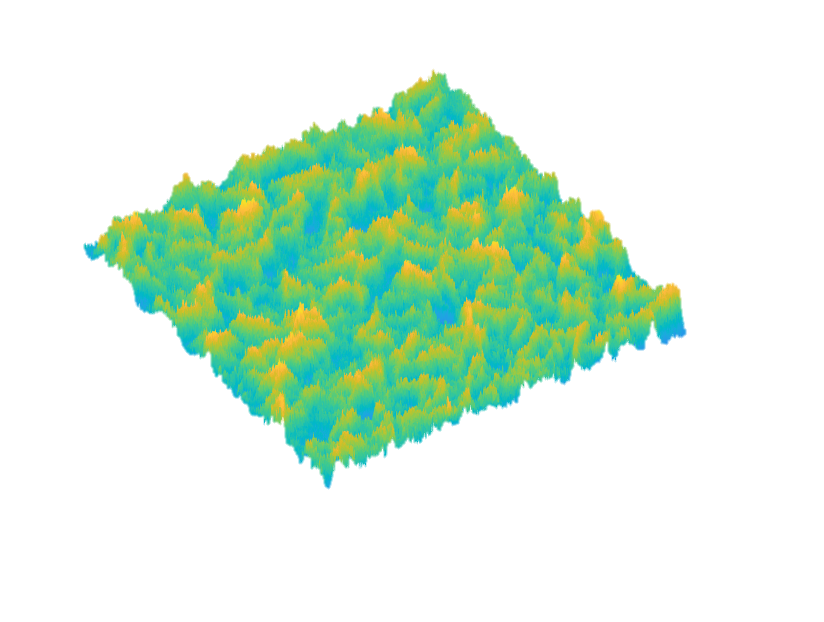
For prototyping, AA6082-T6 specimens were processed by EDM while varying current and pulse duration over a broad range. This created roughness levels extending from fine micro-texture to strongly textured surfaces, after which samples were cleaned and further treated to prepare controlled wetting states for testing.
- EDM parameters explored current levels from 2 to 33 A and pulse durations from 3.2 to 800 µs.
- Macro-texture shape and spacing were coordinated with the expected wet-contact flow path.
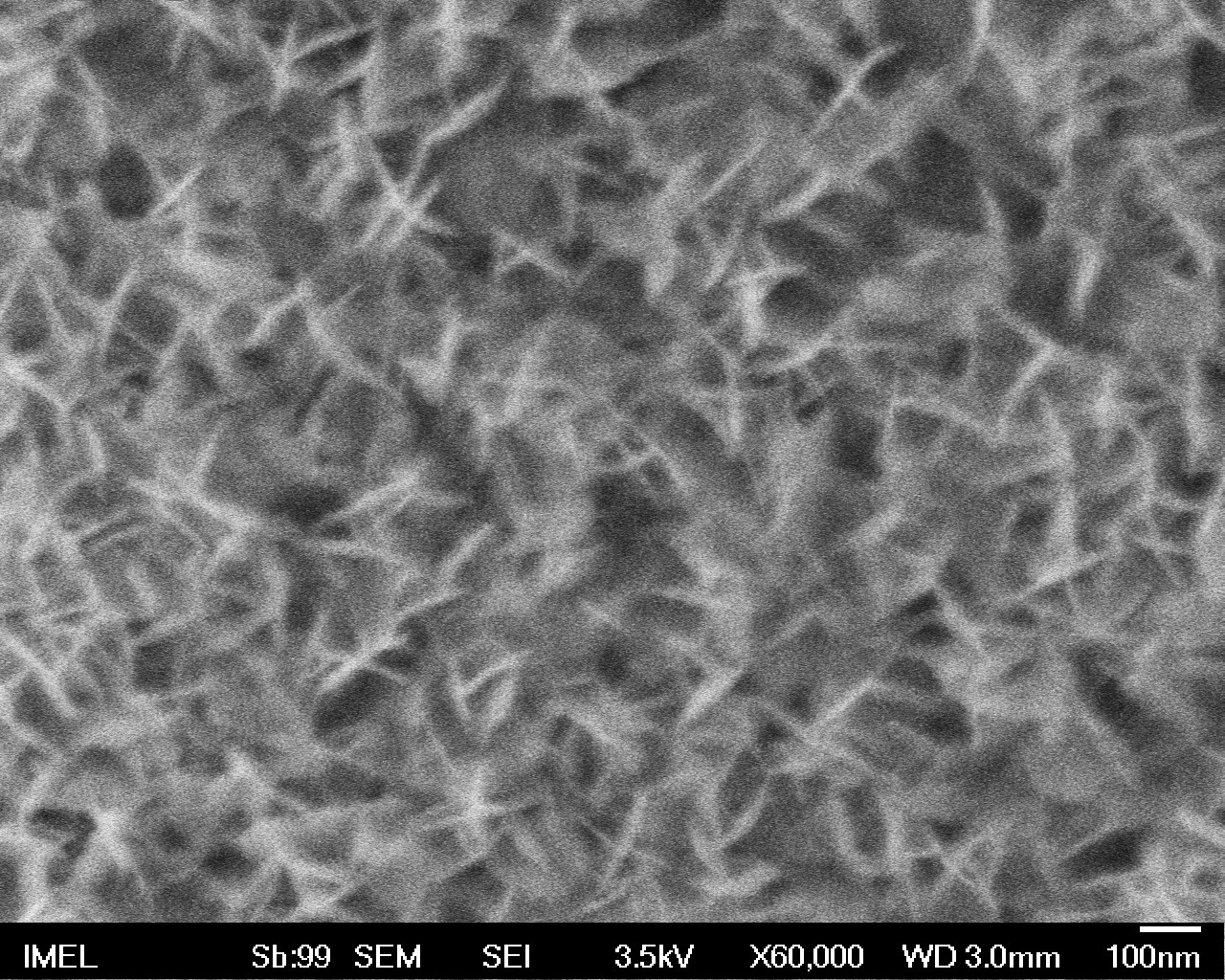
- Post-processing targeted removal of contaminants and creation of a stable nanostructured layer.

Wetting and Tribological Testing
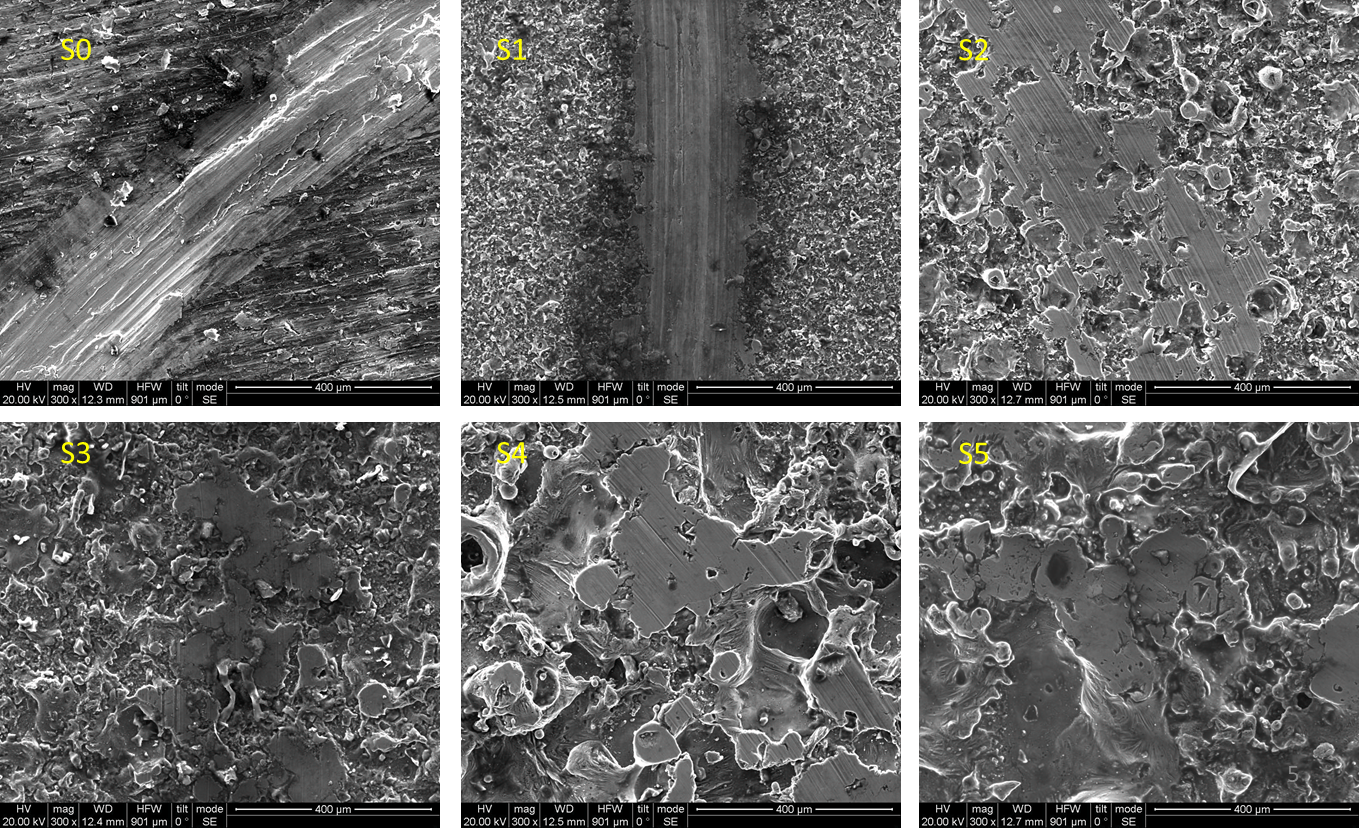
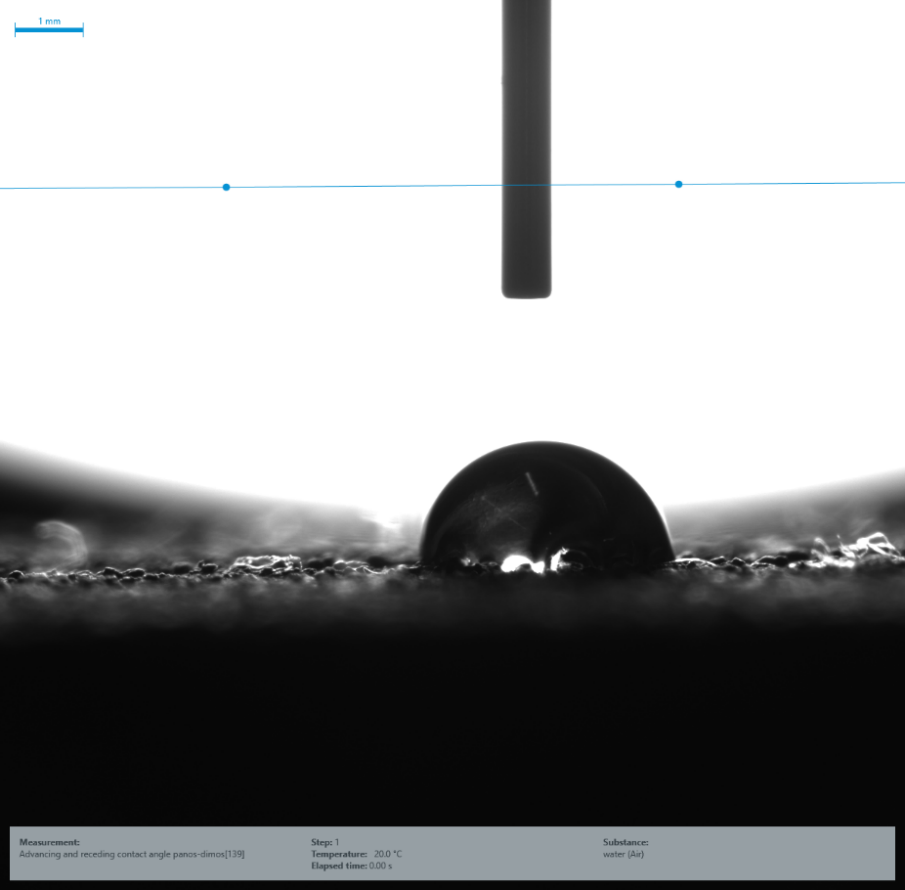
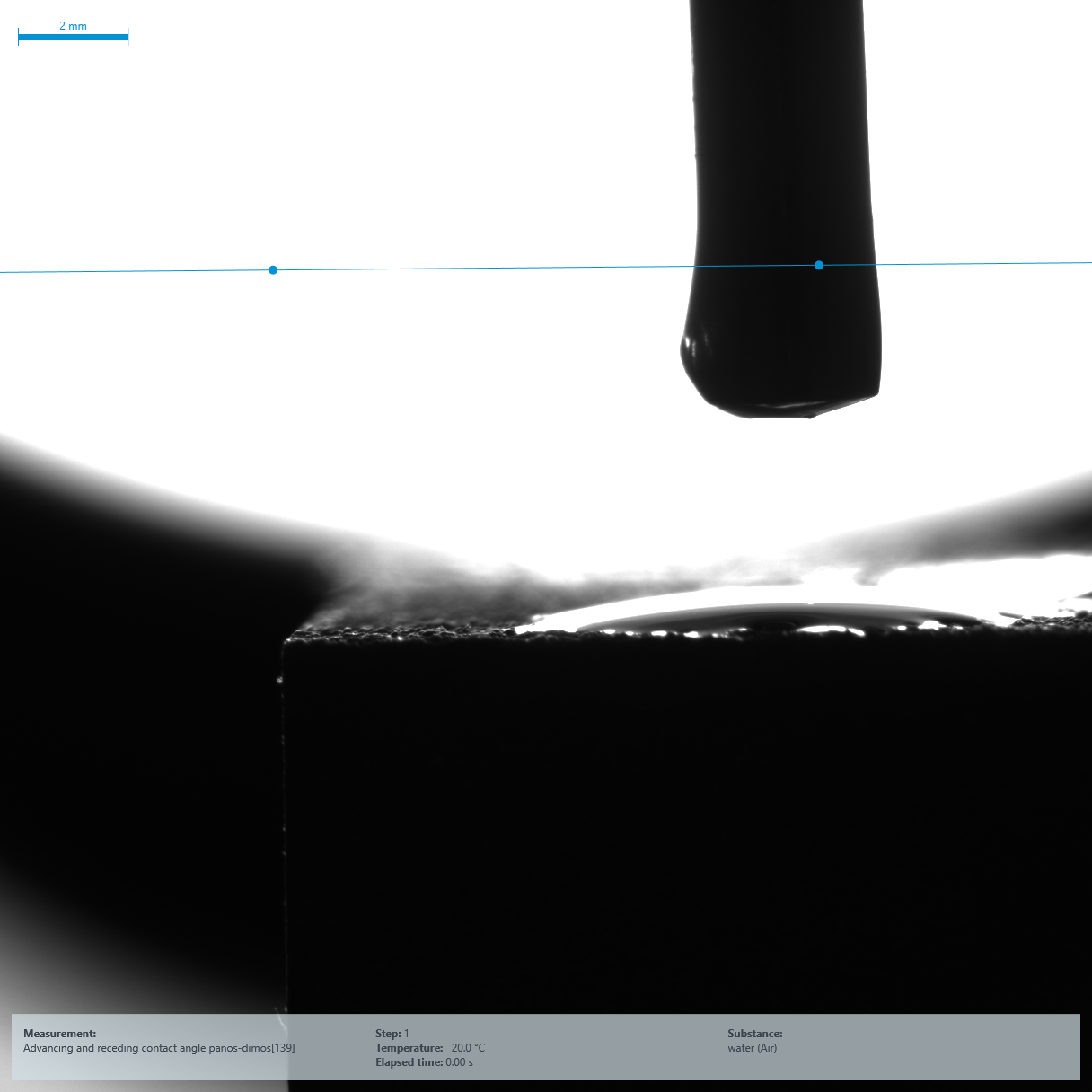
WETSURF did not treat topography alone as the design variable. The lab also examined how liquid spreading changes when roughness and nanostructure alter the interaction between the working fluid and the surface. Contact-angle observations, wet tribological tests and wear inspection were used together so that each surface state could be evaluated from multiple viewpoints.
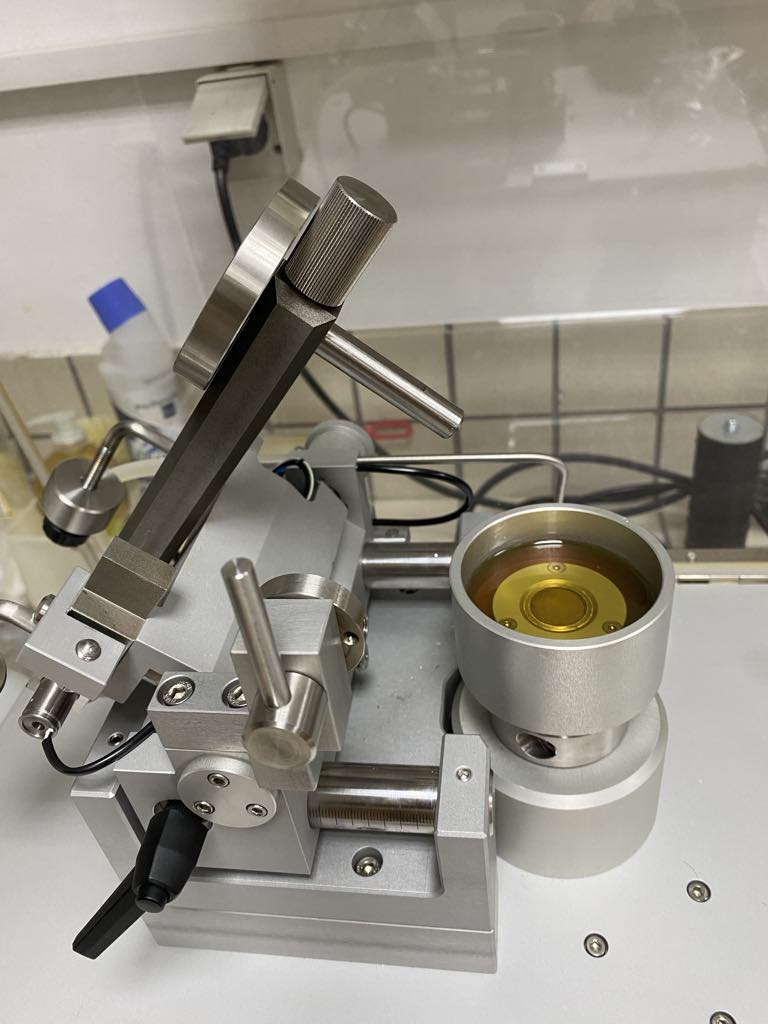
Pin-on-disc testing under wet conditions showed that increasing roughness can reduce friction coefficient and wear by improving lubricant retention, while nanostructuring helped create highly oil-attracting surface states. That made the project especially relevant to applications where drag, lubrication stability and wear resistance must be balanced rather than optimized independently.
Modelling, Flow Directionality and Aeration
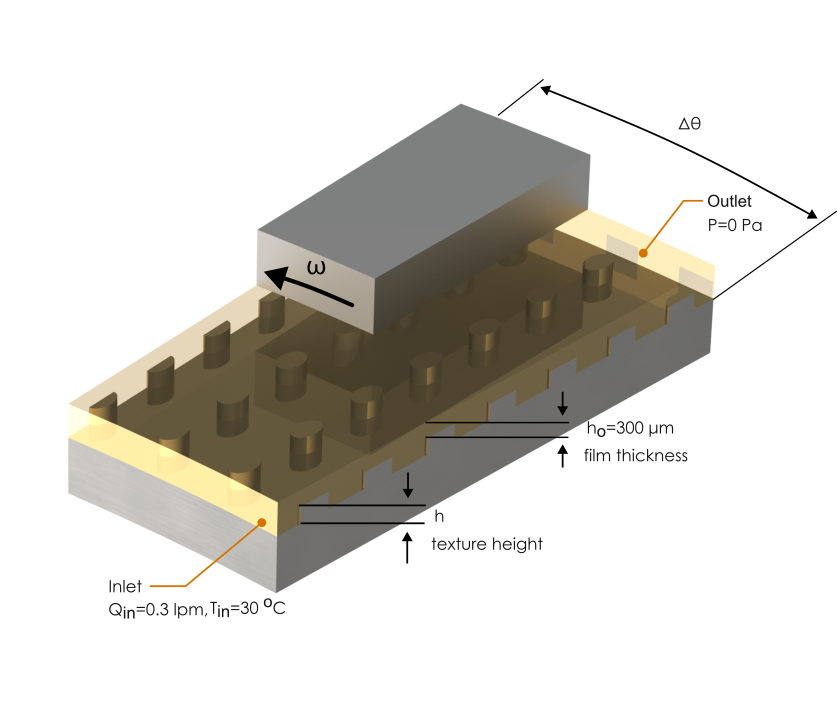
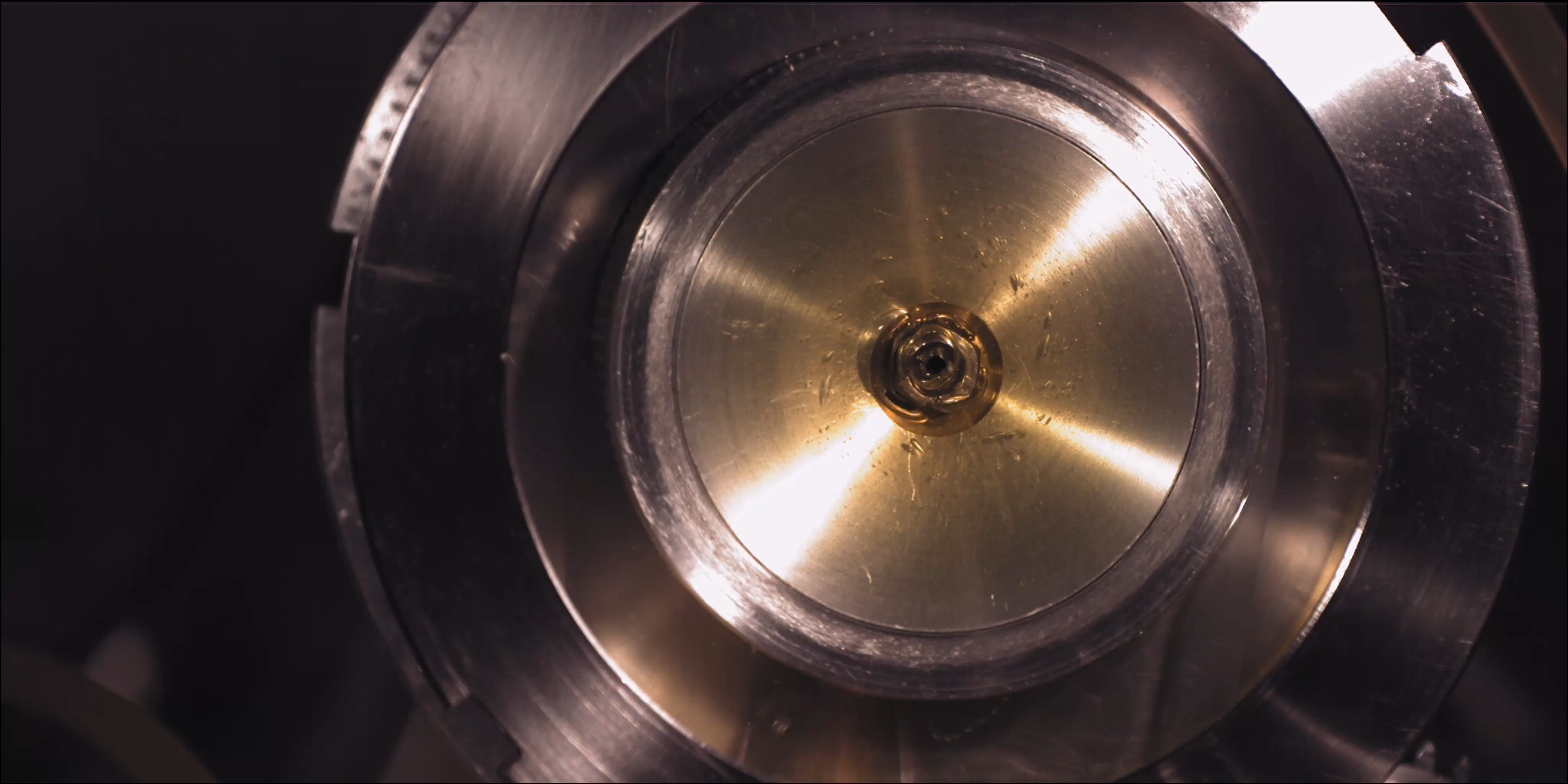
Beyond friction and wear, WETSURF evaluated how texture design shapes the behavior of thin lubricant films between rotating surfaces. The core configuration involved rotating discs separated by a thin oil film, where drag torque and inlet pressure were tracked as practical indicators of flow directionality and the onset of aeration.
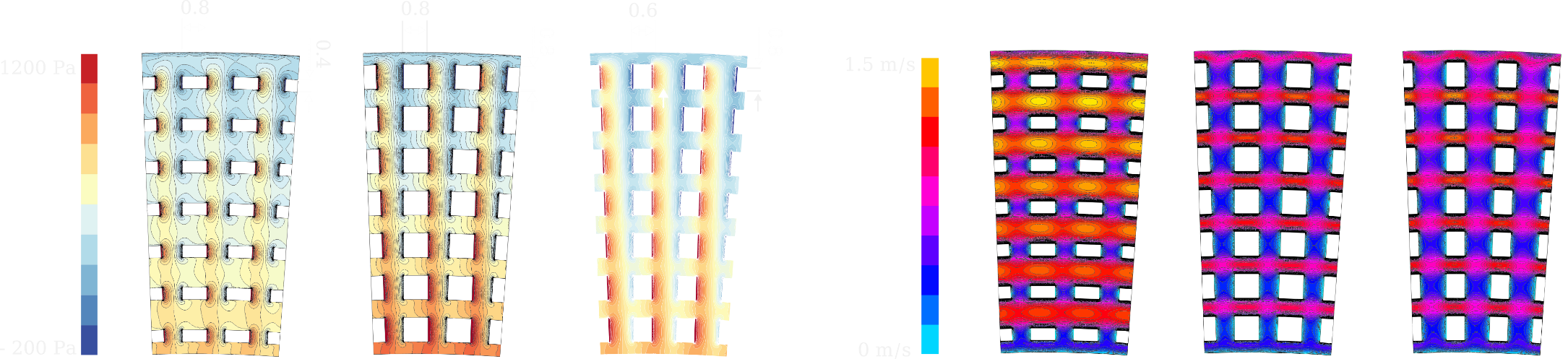
That combined experimental and modelling route made it possible to compare texture candidates using the same engineering language. Textures that seemed promising from geometry alone could be checked against pressure distribution, local velocity fields, drag reduction potential and robustness against bubble formation as speed increased.
Publications and Dissemination
The project presentation identifies both journal and conference outputs spanning bio-inspired texture design, wetting effects in rotating thin films, EDM-induced roughness and related biomimetic-contact modelling. Selected publications listed in the project material are collected below.
- Rogkas, N., Adamopoulos, G., Skondras-Giousios, D., & Spitas, V. (2025). Design, analysis and comparative study of bio-inspired surface texturing for enhanced drag reduction in rotating hydrodynamic lubrication regimes. Tribology International.
- Rogkas, N., Skondras-Giousios, D., Zalimidis, P., Markopoulos, A., & Spitas, V. (2024). Effect of wettability on the aeration characteristics of rotating thin films between EDM-prepared surfaces. Materials Research Proceedings, 46, 114-121.
- Rogkas, N., Maniou, A., Skondras-Giousios, D., Vasileiou, G., Zalimidis, P., & Spitas, V. (2024). 3D finite element analysis of friction between PDMS micro-pillar biomimetic texture and SiO2. Booklet of abstracts: 2nd International Conference on Mathematical Modelling in Mechanics and Engineering.
- Rogkas, N., Adamopoulos, G., Skondras-Giousios, D., & Spitas, V. (2024). Design and 3D CFD analysis of bio-inspired grooves and pillars micro-structures for enhanced drag reduction of thin films. 49th Leeds-Lyon Symposium on Tribology, Lyon, France.
- Skondras-Giousios, D., Rogkas, N., Karmiris-Obratanski, P., & Markopoulos, A. (2024). Experimental investigation on the effect of roughness and wettability on tribological properties of metallic surfaces prepared by EDM. 49th Leeds-Lyon Symposium on Tribology, Lyon, France.


