HEV Ventilator
HEV

High Energy Ventilator
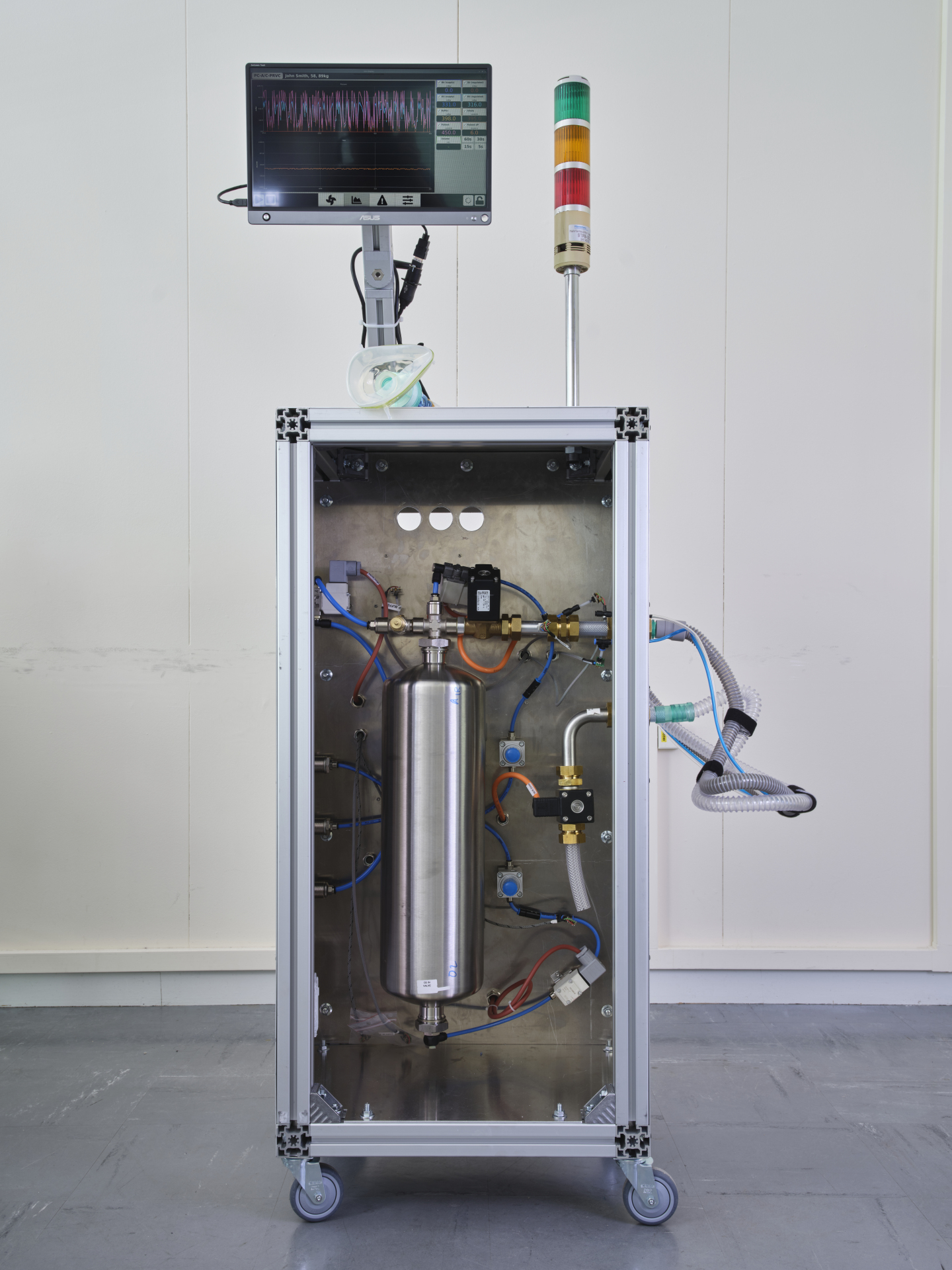
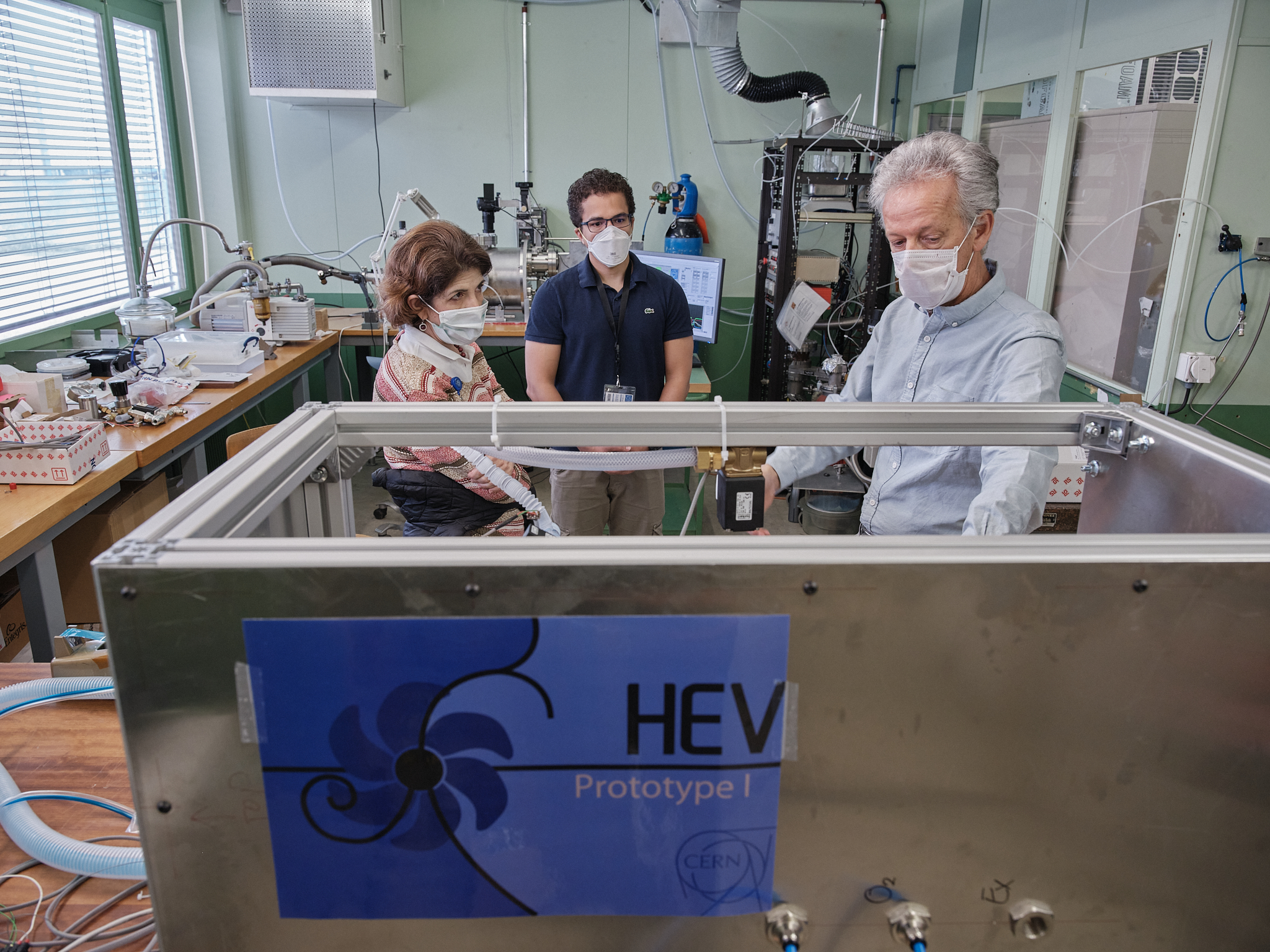
HEV (High Energy Ventilator) was a CERN-affiliated emergency ventilator initiative developed in response to the COVID-19 pandemic. The project aimed to create a high-quality, versatile and lower-cost medical ventilator design, developed in consultation with medical professionals and based on accessible components. Within the HEV effort, MD-Lab focused on the modelling and design of a scroll compressor capable of supplying compressed air to the ventilator system.
Scope
The overall scope of HEV was to rapidly develop a deployable medical ventilator for COVID-19 care, capable of providing long-term alveolar ventilation support both inside and outside intensive-care environments. The project targeted pressure-control, pressure-support and CPAP operation, patient triggering in all modes, modular architecture, easily sourced components and low-power microcontroller-based control, so the design could be adapted to different clinical settings, manufacturing capabilities and resource-limited regions.
MD-Lab’s involvement focused on the air-supply subsystem. The lab investigated the replacement of the original turbine-based concept, which had not achieved the desired quiet operation, with a compact scroll-compressor solution designed for smoother, quieter, oil-free and contactless compression while still delivering the required pressure and flow.
Within this scope, MD-Lab covered:
- Translation of the ventilator air-demand requirements into compressor-level targets for flow, pressure, variable-speed operation, cleanliness, noise and continuous use.
- Parametric design of the stator-rotor scroll geometry using involute equations, with calculation of compressor displacement and expected air flow.
- Numerical and CFD investigation of peripheral and radial leakage paths, operating gaps and thermal effects, supporting oil-free and contactless compression.
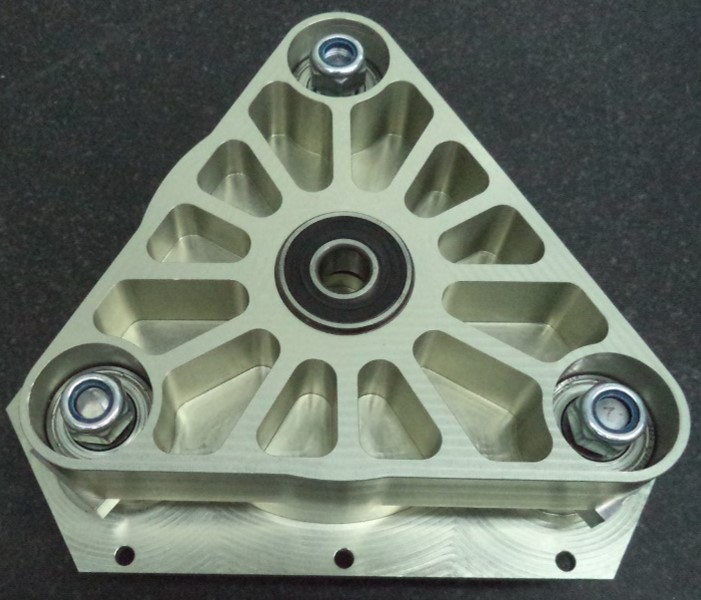
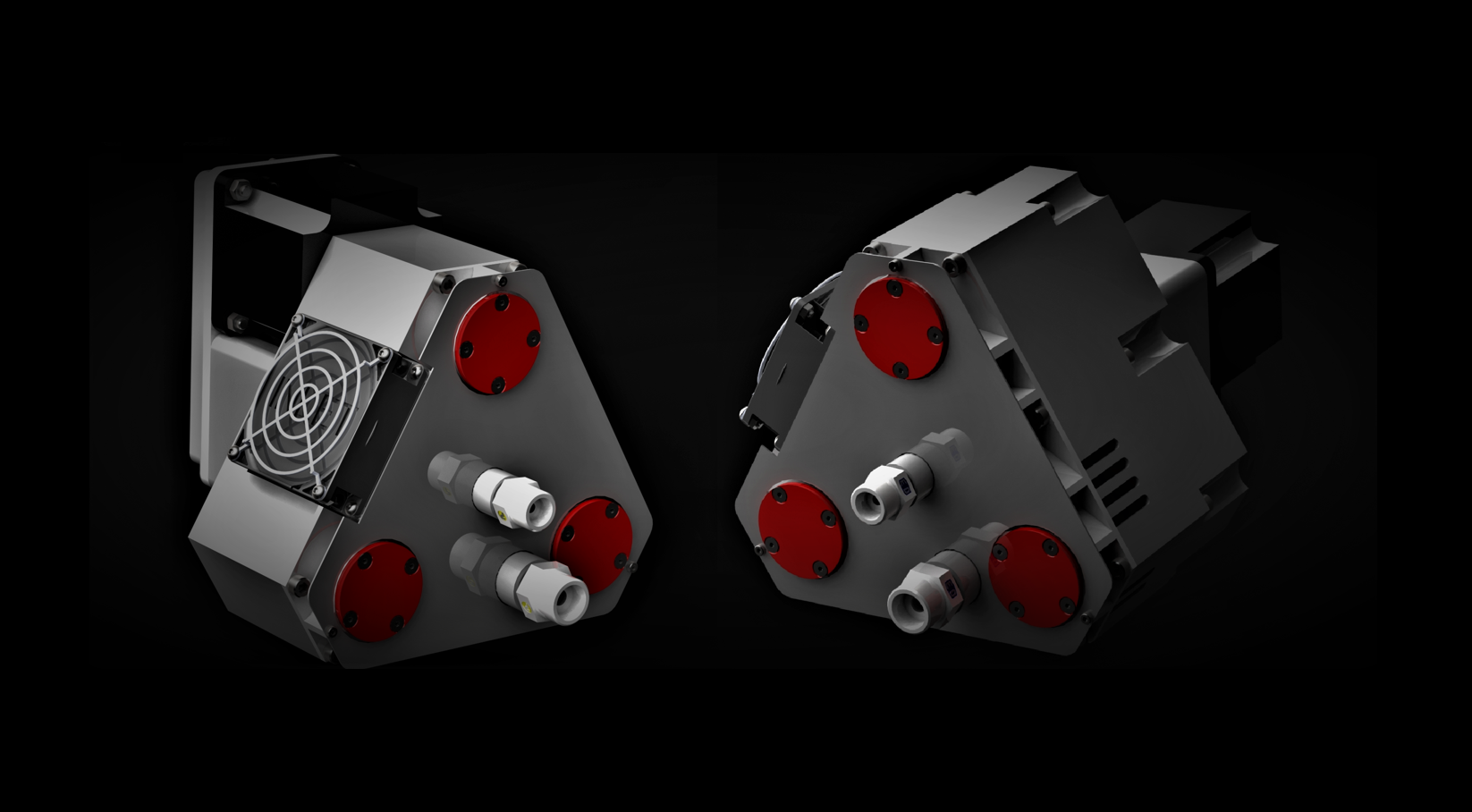
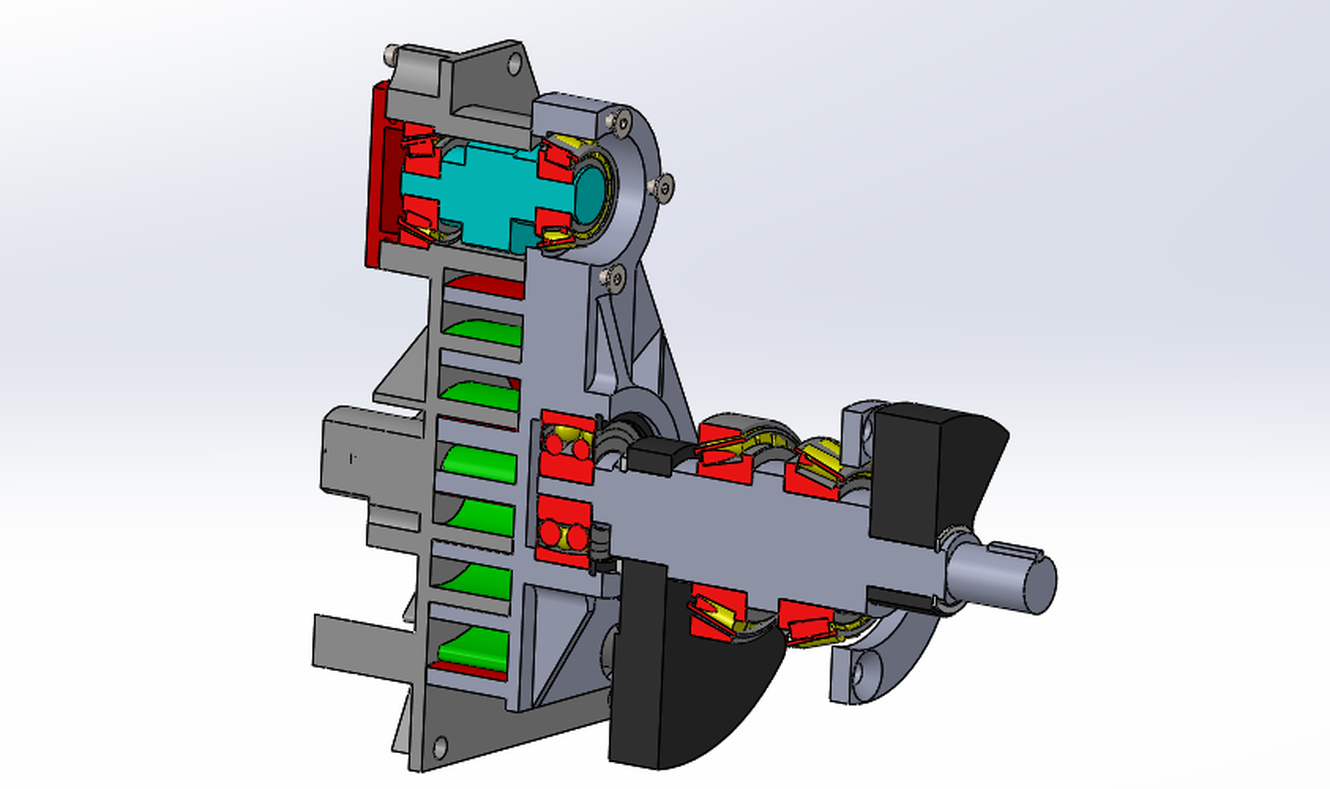
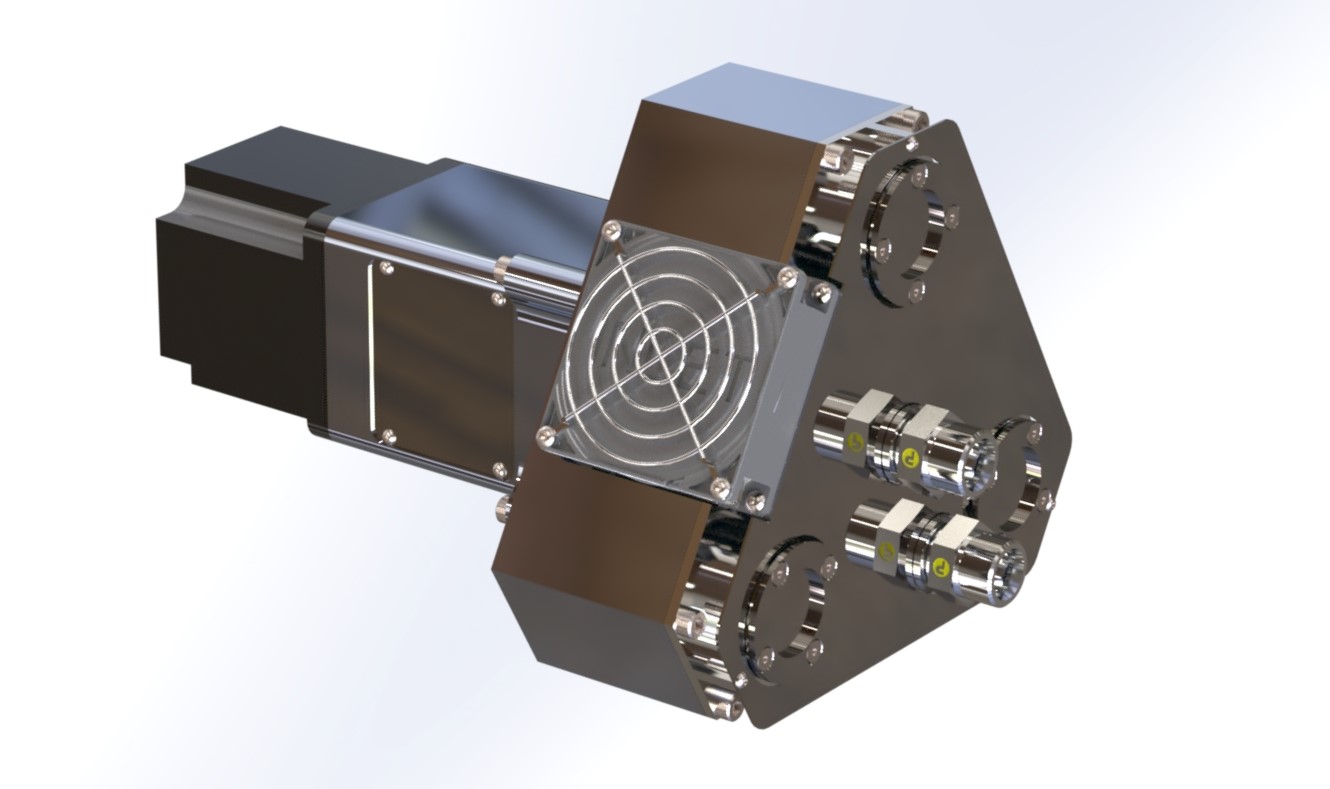
- Design of the shaft support, bearings, sealing, balancing system, motor coupling, housing and cooling-air path.
- Evaluation of the scroll solution as a quieter and more clinically suitable alternative to the turbine approach for long-term bedside operation.
Impact
The HEV project responded to a critical pandemic need: increasing the availability of ventilator technology without relying exclusively on scarce, high-end intensive-care machines. It offers a high-quality ventilator design that could be produced at lower cost and used for the vast majority of COVID-19 patients, helping reserve the most advanced machines for the most intensive cases.
The broader impact of the project lies in its combination of medical consultation, modular architecture, accessible components and low-power control electronics. The design was intended to support deployment in regions with limited resources or unstable power distribution, while remaining adaptable to local manufacturing choices and requirements. An international review committee judged the HEV design to be sound and noted the technical level achieved in a short time, underlining the value of rapid engineering collaboration during a public-health emergency.
MD-Lab’s Contribution
From ventilator demand to compressor design
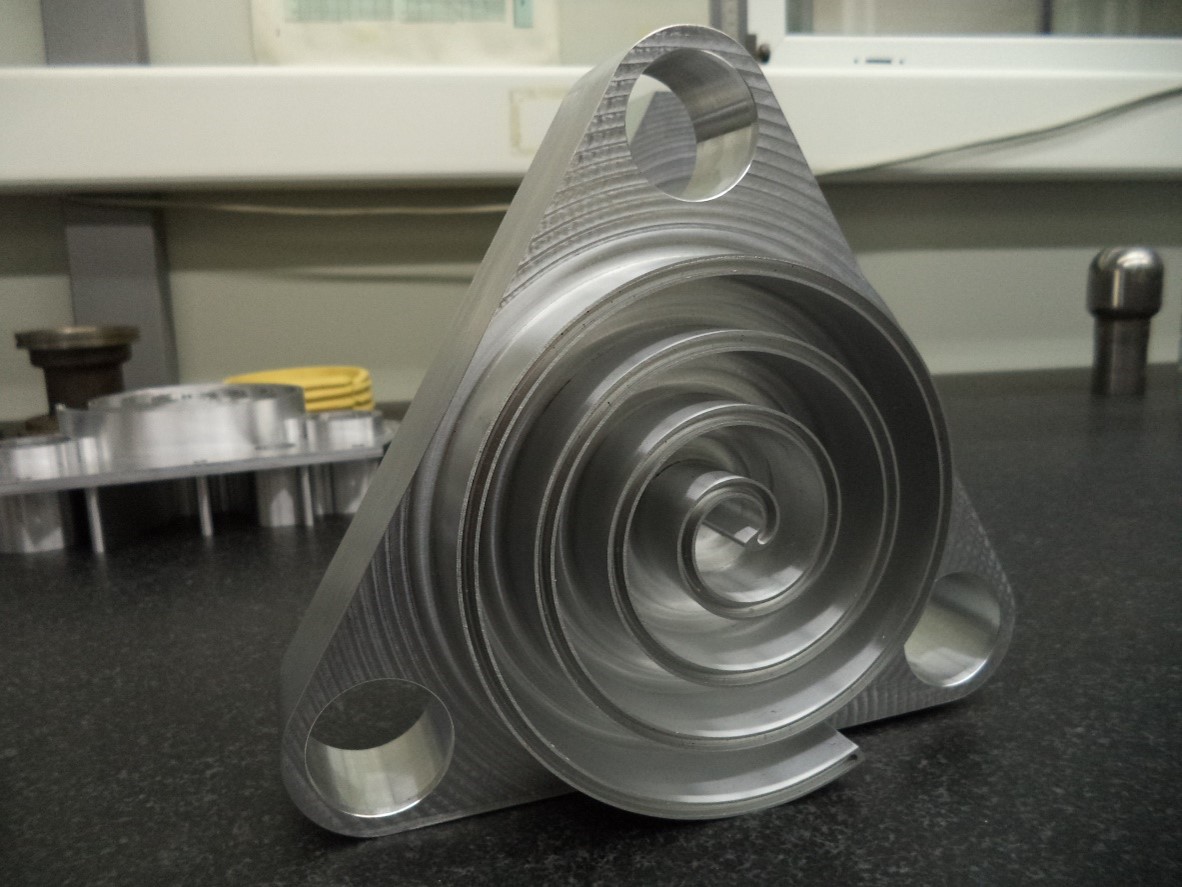
MD-Lab contributed to the HEV effort through the detailed design of the scroll compressor, a key mechanical subsystem for producing the compressed air required by the ventilator. The work translated the general air-supply need into a complete mechanical concept, from scroll geometry and flow calculations to bearings, transmission, balancing, sealing, housing and thermal management.
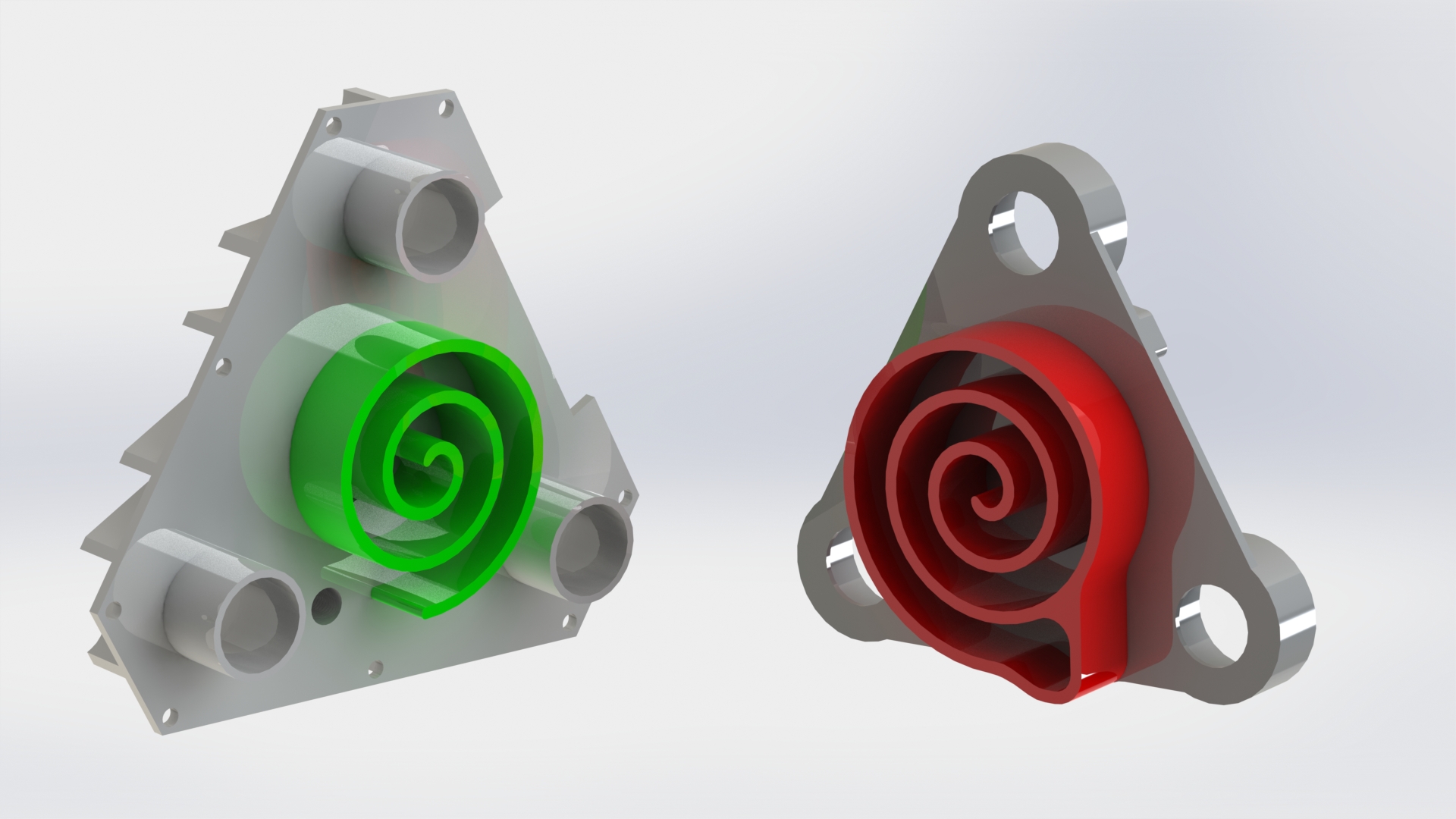
The compressor concept used the operating principle of scroll machines: air is trapped between two spirals of the same geometry, one fixed and one orbiting, and is progressively guided into smaller volumes, increasing pressure and temperature. A parametric model of the stator-rotor pair was developed so that the scroll geometry could be modified efficiently during the design iterations and reused in future laboratory studies of similar machines.
Quiet, clean medical air supply
An important reason for adopting a scroll compressor was acoustic performance. The original HEV air-supply concept based on a turbine did not achieve the desired quiet operation, which is especially important in clinical environments where continuous noise affects patient comfort and staff working conditions. A scroll compressor produces compression through enclosed, gradual volume reduction rather than high-speed turbine flow, so it can deliver the required pressure and flow with smoother operation, lower aerodynamic noise and fewer vibration sources. This made the scroll approach more compatible with a bedside ventilator intended for long-term use.
A central design target was to achieve clean, oil-free and contactless compression suitable for medical applications. Critical considerations are the use of stainless steel for medical compatibility, the isolation of the scroll system, and the avoidance of complex filters. CFD simulations were used to study leakage through the peripheral and radial gaps, supporting the selection of small gaps and the final geometry of the compression system.
Mechanical integration
The mechanical design also addressed shaft stabilization, bearing loads and balancing caused by the eccentric motion of the rotor. Two arrangements were developed: an in-line layout using an elastic coupling and a wrapped layout using belt-pulley transmission. The detailed design incorporated counterweights, bearing supports and housing features to enable reliable operation and maintenance.
Thermal and cooling simulations
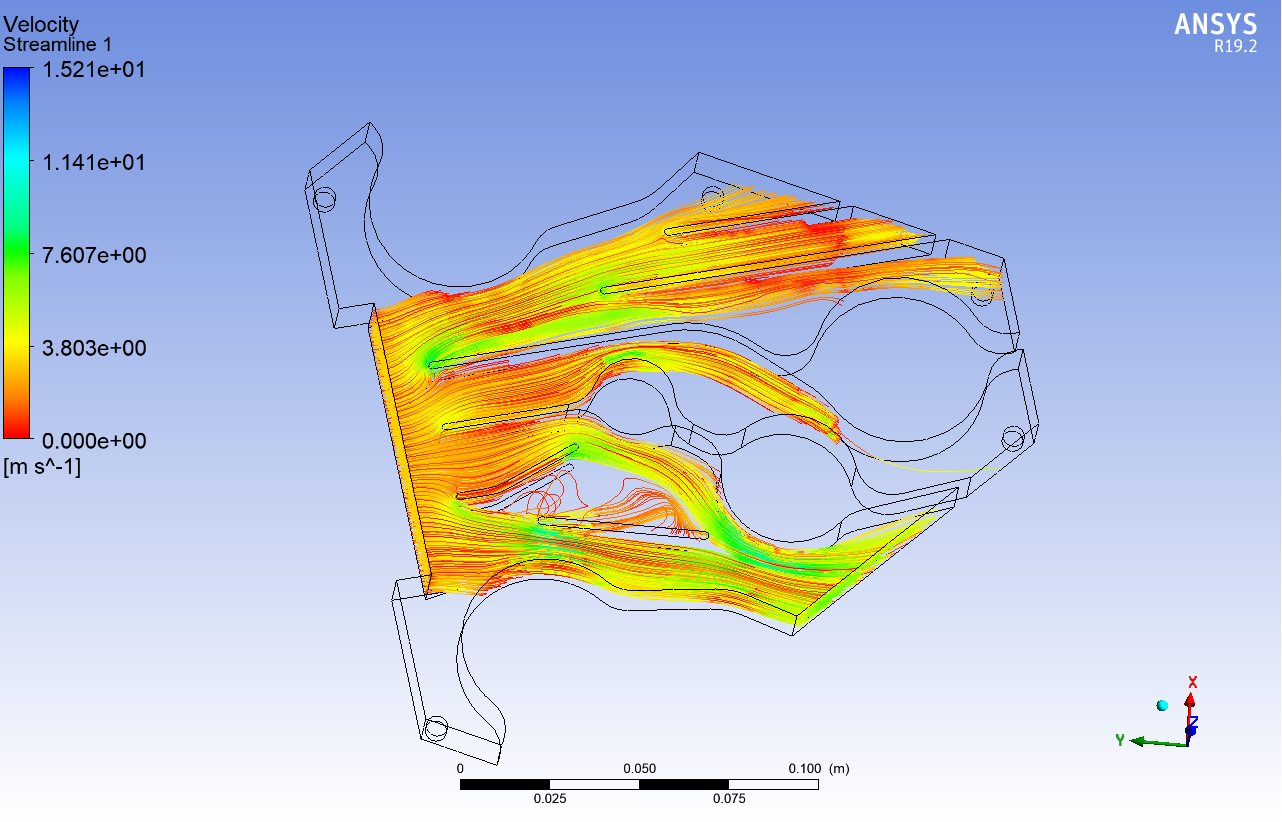
Thermal stability was evaluated through coupled cooling-airflow and heat-transfer simulations. Because the scroll clearances are very small, even moderate thermal expansion can change the radial and axial gaps and affect contactless operation. MD-Lab therefore used CFD to study the cooling-air path through the housing, check how effectively the fan moved air around the compressor body, and identify regions where heat could accumulate.
The simulation work supported the cooling-fan selection, the positioning of ventilation openings, and the assessment of temperature fields around the scroll set, shaft supports and housing. These results helped verify that the compressor concept could maintain stable operating clearances during continuous use while preserving the quiet, oil-free and contactless air-supply architecture required by the HEV ventilator.