3BUILD
3BUILD
ΣΧΕΔΙΑΣΜΟΣ ΚΑΙ ΑΝΑΠΤΥΞΗ ΕΝΟΣ ΚΑΙΝΟΤΟΜΟΥ ΤΡΙΣΔΙΑΣΤΑΤΟΥ ΕΚΤΥΠΩΤΗ ΓΙΑ ΤΗΝ ΚΑΤΑΣΚΕΥΗ ΚΤΗΡΙΩΝ ΚΑΙ ΥΠΟΔΟΜΩΝ
Το 3BUILD αποτέλεσε ένα καινοτόμο ερευνητικό έργο για την αξιοποίηση της τρισδιάστατης εκτύπωσης στον κατασκευαστικό τομέα, με αντικείμενο την ανάπτυξη ενός ελαφρού, φορητού ρομποτικού εκτυπωτή κονιάματος για κτήρια και υποδομές. Στο έργο συνεργάστηκαν οι ΤΙΤΑΝ, SIKA Hellas, COS Hellas LTD και το Εθνικό Μετσόβιο Πολυτεχνείο, με συνολικό προϋπολογισμό 906.734 €. Χρηματοδοτήθηκε στο πλαίσιο της δράσης «Ερευνώ-Δημιουργώ-Καινοτομώ» του ΕΠΑνΕΚ και του ΕΣΠΑ 2014-2020 και ολοκληρώθηκε με την κατασκευή του πρώτου τρισδιάστατα εκτυπωμένου κτηρίου στην Ελλάδα, στο εργοστάσιο της ΤΙΤΑΝ στην Ελευσίνα.
Σκοπός
Το έργο αφορούσε την ανάπτυξη ενός νέου συστήματος τρισδιάστατης εκτύπωσης μεγάλης κλίμακας, με στόχο την κατασκευή κτηρίων και δομικών κατασκευών.
Πιο συγκεκριμένα, το έργο περιλάμβανε:
- Τον μηχανολογικό σχεδιασμό ενός καινοτόμου τρισδιάστατου εκτυπωτή, ικανού να κατασκευάζει δομές πλήρους κλίμακας.
- Την ανάπτυξη εξειδικευμένων τσιμεντοειδών υλικών, και συγκεκριμένα κονιαμάτων κατάλληλων για τρισδιάστατη εκτύπωση.
- Την ενσωμάτωση τεχνολογιών αυτοματισμού, όπως CAD/CAM και συστήματα τύπου CNC, για την πλήρως αυτοματοποιημένη κατασκευή.
- Την κατασκευή και δοκιμή πρωτοτύπων μικρής και πλήρους κλίμακας.
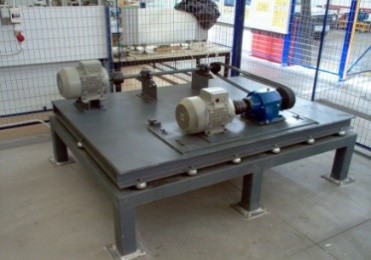
- Την πειραματική διερεύνηση της δομικής συμπεριφοράς των κατασκευών, συμπεριλαμβανομένης της σεισμικής τους απόκρισης.
- Την επίδειξη της τεχνολογίας μέσω της κατασκευής κτηρίου επιφάνειας περίπου 80 m².
Αντίκτυπος
Ο κύριος στόχος του 3BUILD ήταν να εισαγάγει, για πρώτη φορά στην Ελλάδα, την τρισδιάστατη εκτύπωση στον κατασκευαστικό τομέα πέρα από το επίπεδο του εργαστηρίου και των εφαρμογών μικρής κλίμακας, οδηγώντας την σε πραγματικές κατασκευές πλήρους κλίμακας. Ο αναμενόμενος αντίκτυπος του έργου είναι σημαντικός, καθώς περιλαμβάνει ταχύτερη και περισσότερο αυτοματοποιημένη κατασκευή, μείωση του κόστους εργασίας, περιορισμό της σπατάλης υλικών, ασφαλέστερα εργοτάξια και μεγαλύτερη ελευθερία στον σχεδιασμό σύνθετων αρχιτεκτονικών μορφών, οι οποίες είναι δύσκολο ή δαπανηρό να υλοποιηθούν με συμβατικές μεθόδους.
Μέσω της ανάπτυξης ενός φορητού, αρθρωτού (modular) εκτυπωτή, σε συνδυασμό με ειδικά σχεδιασμένα κονιάματα, το 3BUILD στοχεύει να καταστήσει δυνατή την προηγμένη κατασκευή ακόμη και σε απομακρυσμένες ή δύσβατες περιοχές, όπως νησιά και ορεινές περιοχές, διασφαλίζοντας παράλληλα την τήρηση των απαιτούμενων δομικών και σεισμικών προδιαγραφών. Τελικός στόχος είναι η δημιουργία μιας ανταγωνιστικής τεχνολογίας που θα συμβάλει στον εκσυγχρονισμό του κατασκευαστικού κλάδου και θα ανοίξει νέες προοπτικές για βιώσιμη, αποδοτική και ευέλικτη παραγωγή κτηρίων.
Συμβολή του Εργαστηρίου
Το MD-Lab διαδραμάτισε κεντρικό και καθοριστικό ρόλο στο 3BUILD, αναλαμβάνοντας τον λεπτομερή μηχανολογικό σχεδιασμό, την ανάλυση και τη βελτιστοποίηση του συστήματος τρισδιάστατης εκτύπωσης πλήρους κλίμακας.
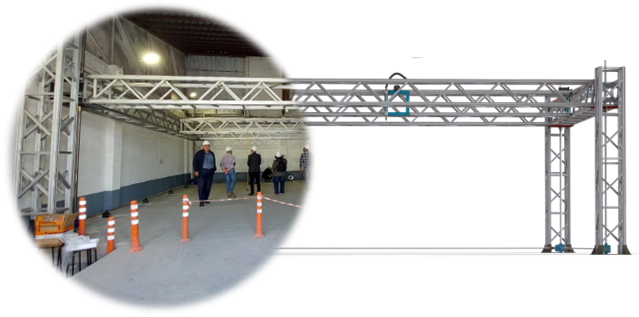
Συγκεκριμένα, το εργαστήριο ανέλαβε τον πλήρη μηχανολογικό σχεδιασμό του εκτυπωτή, καθορίζοντας την αρχιτεκτονική, τα επιμέρους υποσυστήματα και τις βασικές αρχές λειτουργίας του. Ανέπτυξε ένα σύστημα τύπου γέφυρας (gantry), με τέσσερις πυλώνες στήριξης και μηχανισμό κίνησης στους άξονες X-Y, το οποίο επιτρέπει την ακριβή τοποθέτηση της κεφαλής εκτύπωσης σε μεγάλες επιφάνειες. Βασική καινοτομία του συστήματος αποτέλεσε η υιοθέτηση πλήρως αρθρωτής (modular) δομής, η οποία επιτρέπει την εύκολη μεταφορά, συναρμολόγηση και προσαρμογή του σε διαφορετικά εργοτάξια, με εκτιμώμενο χρόνο εγκατάστασης λίγων μόνο ωρών.
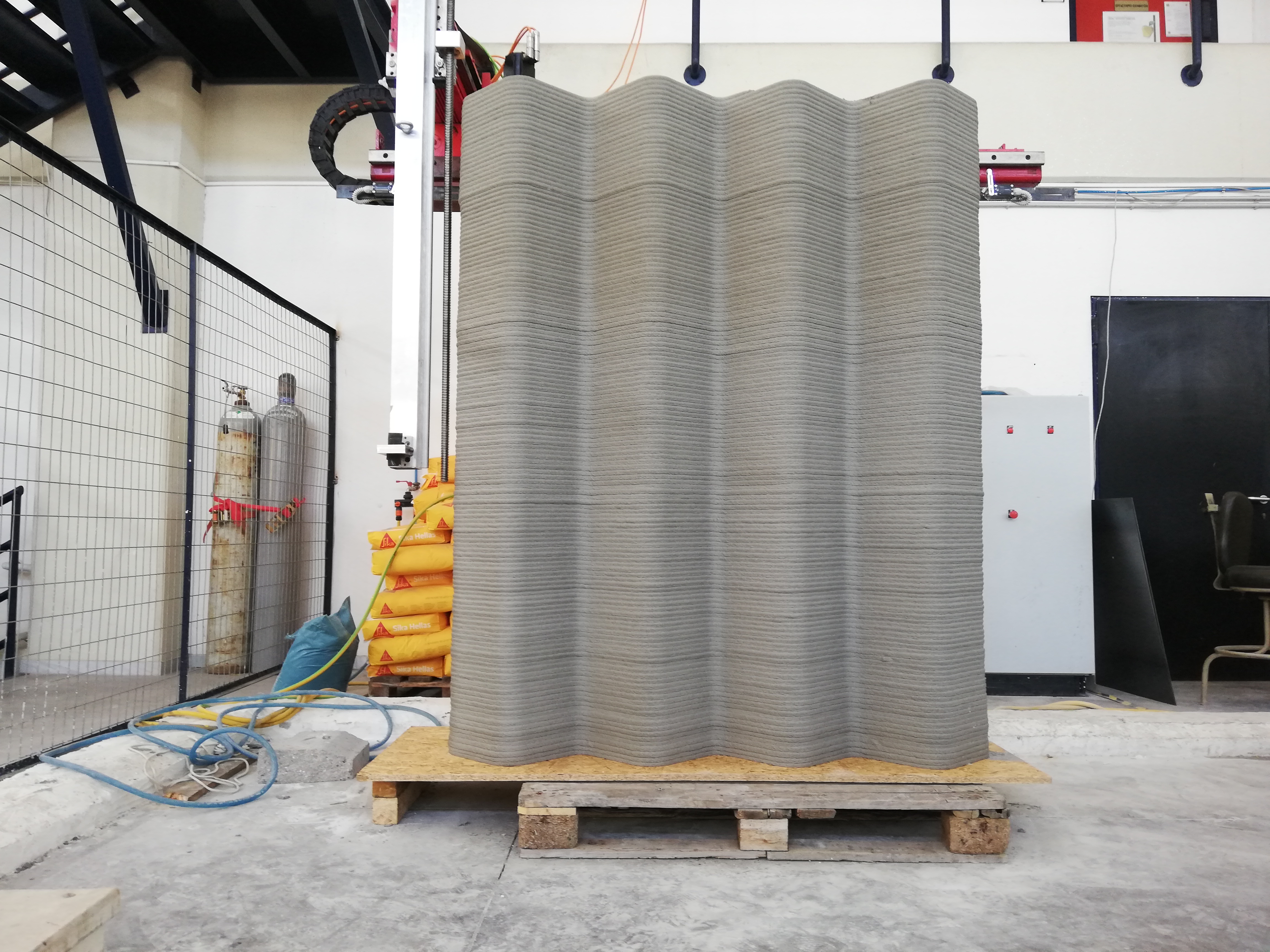
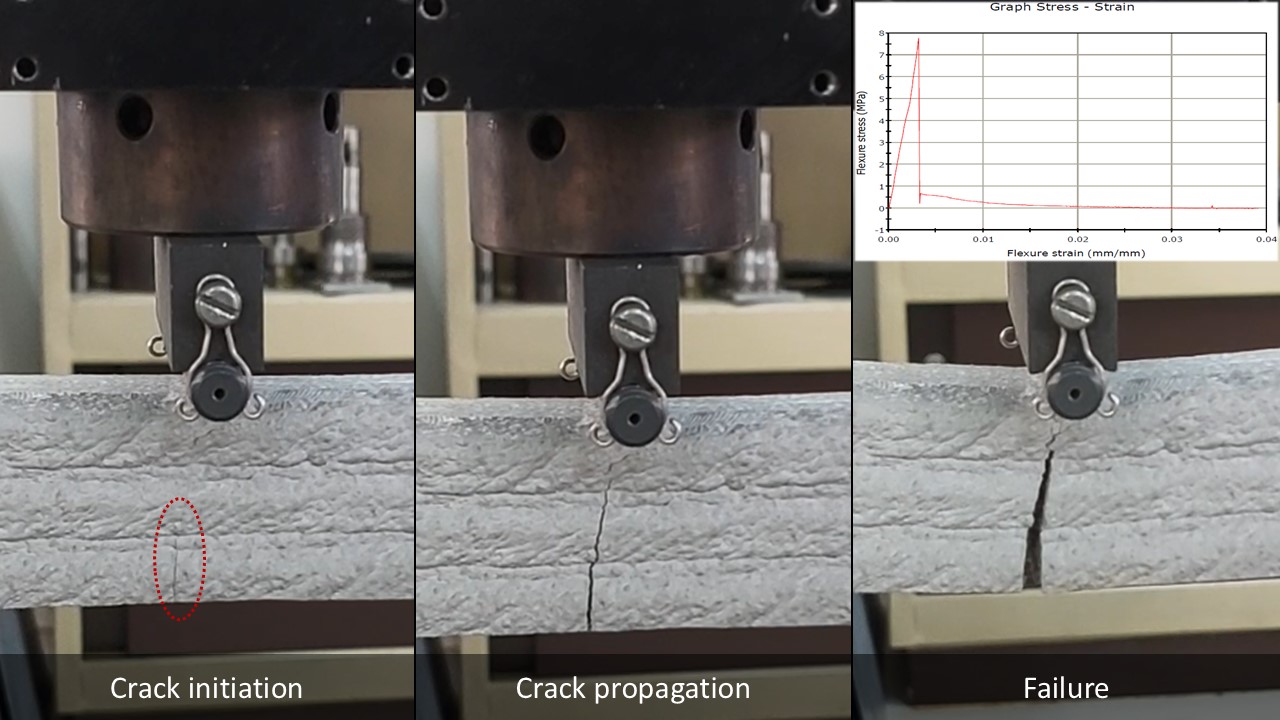
Τα πρώτα πρωτότυπα κατασκευάστηκαν στο ΕΜΠ με τη χρήση εκτυπωτή ημίσειας κλίμακας, ο οποίος αναπτύχθηκε στο πλαίσιο του έργου. Το στάδιο αυτό υπήρξε κρίσιμο, καθώς επέτρεψε τη βελτιστοποίηση των παραμέτρων εκτύπωσης, την επικύρωση της διαδικασίας και την αξιολόγηση της μηχανικής συμπεριφοράς του υλικού υπό ρεαλιστικές συνθήκες. Ο εκτυπωτής ημίσειας κλίμακας παραμένει μέρος της ερευνητικής υποδομής του εργαστηρίου, με δυνατότητα κατασκευής δομών περίπου 2 m x 2 m σε κάτοψη και έως 3 m σε ύψος.
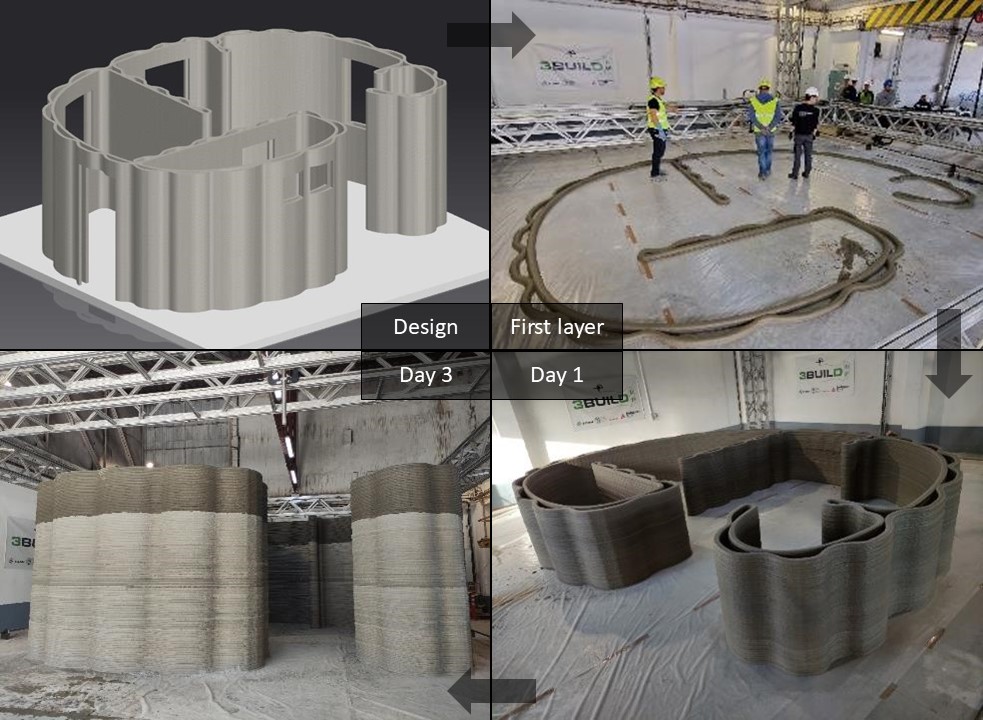
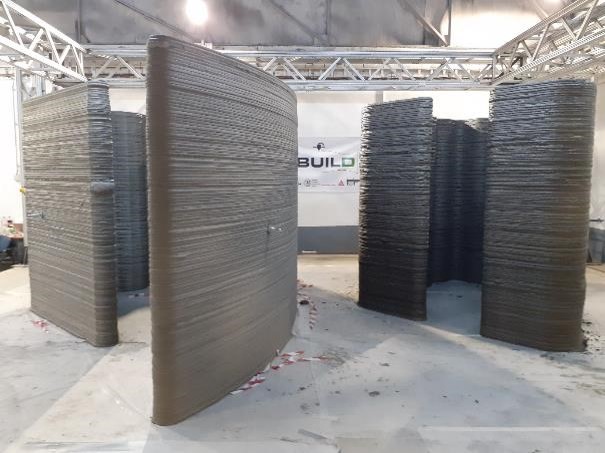
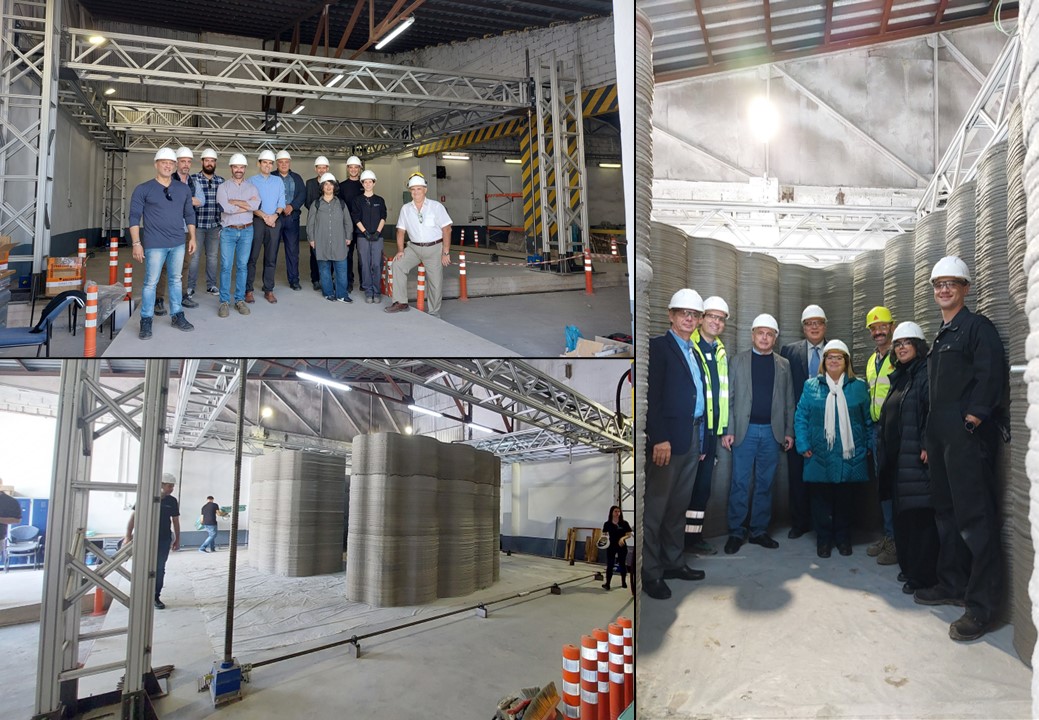
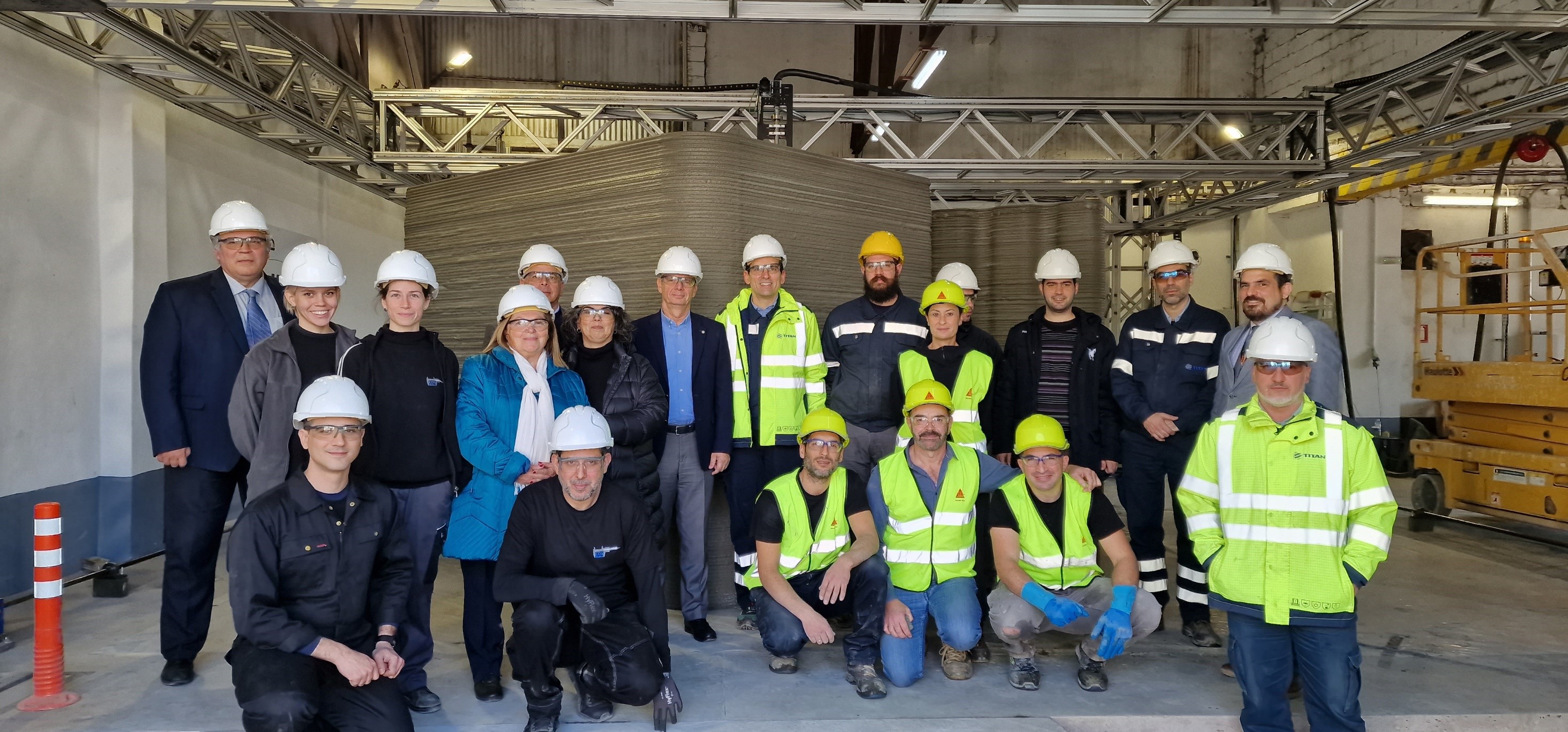
Στη συνέχεια, κατασκευάστηκε και εγκαταστάθηκε ο εκτυπωτής πλήρους κλίμακας στο εργοστάσιο της ΤΙΤΑΝ στην Ελευσίνα, όπου ολοκληρώθηκε επιτυχώς η κατασκευή της πρώτης τρισδιάστατα εκτυπωμένης κατοικίας στην Ελλάδα. Η κατασκευή αυτή αναδεικνύει τόσο τις δυνατότητες όσο και τις μελλοντικές προοπτικές της τεχνολογίας. Το ύψος της έφτασε τα 2,6 m, ενώ ο συνολικός χρόνος εκτύπωσης ανήλθε σε 22 ώρες, κατανεμημένες σε τρεις διαδοχικές ημέρες. Ο εκτυπωτής έχει σχεδιαστεί για την κατασκευή κατοικίας επιφάνειας περίπου 80 m², ενώ η αρθρωτή αρχιτεκτονική του επιτρέπει την εύκολη προσαρμογή του σε μικρότερες ή μεγαλύτερες κατασκευές.